March 5, 2026
Why the Omega Speedmaster Still Matters in 2026
A 2026 look at why the NASA-approved Omega Speedmaster still matters, from design fidelity to modern tech and a living collectors’ culture.

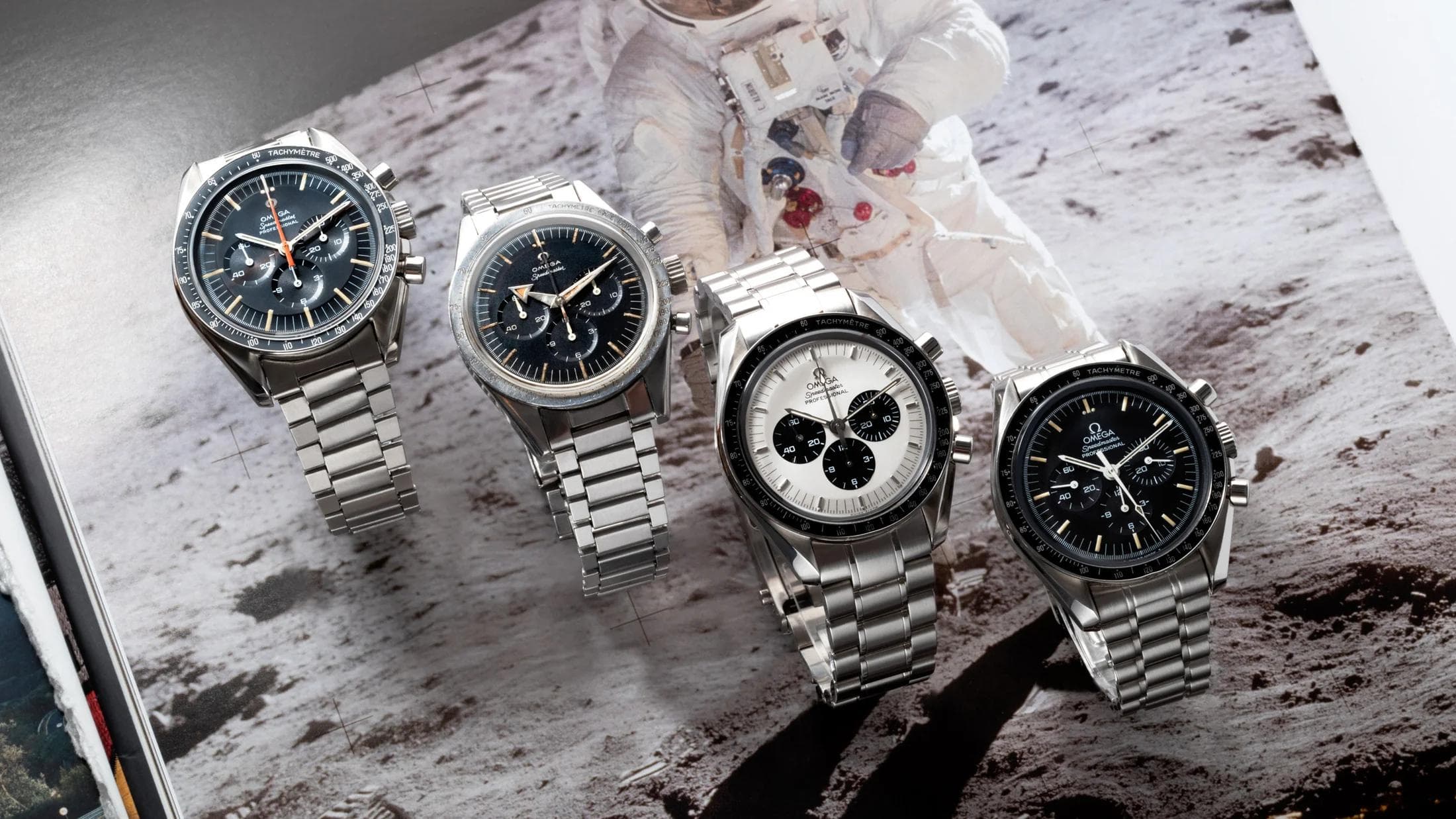
In 2026 the Omega Speedmaster still commands attention not because it was the first chronograph on the Moon, but because every new conversation about watches still bends toward that story.
From the first reference CK 2915 in 1957 to the 2020s' Moonshine Gold and sapphire-sandwich editions, the Moonwatch has spent nearly seven decades proving that mechanical authenticity still matters in a world that often prioritizes flash.
Heritage That NASA Did Not Let Go
Omega introduced the Speedmaster line in 1957 as a sporty chronograph with its tachymeter scale on the bezel, and NASA kept circling back because the watch proved as legible and rugged as the racing chronographs it mimicked.
NASA’s engineers certified the Speedmaster for spaceflight in 1965 after it survived temperatures, vacuum, and vibrations that knocked out the competition, and the “Professional” moniker stuck because it was the only watch that could survive the agency’s brutal testing.
That NASA stamp morphed the watch overnight from a race-day tool into a lunar legend, because the Moonwatch was still ticking on Apollo 11 even while Armstrong stashed a second Speedmaster in the lunar module as a backup—it was both a tool and trusted companion.
Why NASA Still Trusts the Moonwatch Blueprint
NASA never reneged on that relationship, which is why the Speedmaster remains one of the few mechanical chronographs approved for extra-vehicular activity today, even as Artemis resets the agency’s priorities.
When computers fail, NASA still asks whether the watch keeps time, and the Moonwatch answers with the same manual-wind 3861 movement that once guided Apollo 11; that reliability keeps the Speedmaster in every modern space-capable conversation.
Design Fidelity, Modern Calibers, and the 2026 Moment
The design hasn’t changed much since the 1963 Moonwatch layout—the bezel, the three registers, the black dial, the applied indices—and that continuity is intentional: Speedmaster collectors don’t want reinvention, they want refinement.
Inside, Omega swapped in the ceramic-coated 3861 caliber with Master Chronometer certification, anti-magnetic escapement, and a Co-Axial wheel, proving a mechanical chronograph can evolve internally while remaining externally timeless.
Collectors, Communities, and Creative Relevance
WatchBase lists at least 164 Speedmaster references, from vintage to sapphire sandwich to gilded tributes, and each new reference is a conversation starter with limited editions tied to Apollo, racing, or design collaborations.
Documentaries, social feeds, and NASA exhibits still retrofit the Moonwatch into new stories, so the Speedmaster stays part museum piece and part living legend in 2026.
Wearing the Moonwatch in 2026
The Moonwatch still wears comfortably on a variety of straps, and the manual winding invites daily engagement rather than mindless automation.
It partners with hybrid lifestyles, offering a tactile alternative to smartwatches while remaining the mechanical chronograph people reach for when story and engineering matter.
Conclusion: The Moonwatch as Editorial Anchor
With a new decade of storytelling ahead, Watchlopedia can use the Speedmaster as an anchor topic that reminds readers the Moonwatch is still about exploration, mechanical trust, and cultural relevance.
Share this piece
Send it to another watch nerd.
Keep reading
Related articles

June 12, 2026
Longines' Master Collection Finally Feels Like a Complete Dress-Watch Platform Instead of a Single Safe Compromise
June 10, 2026
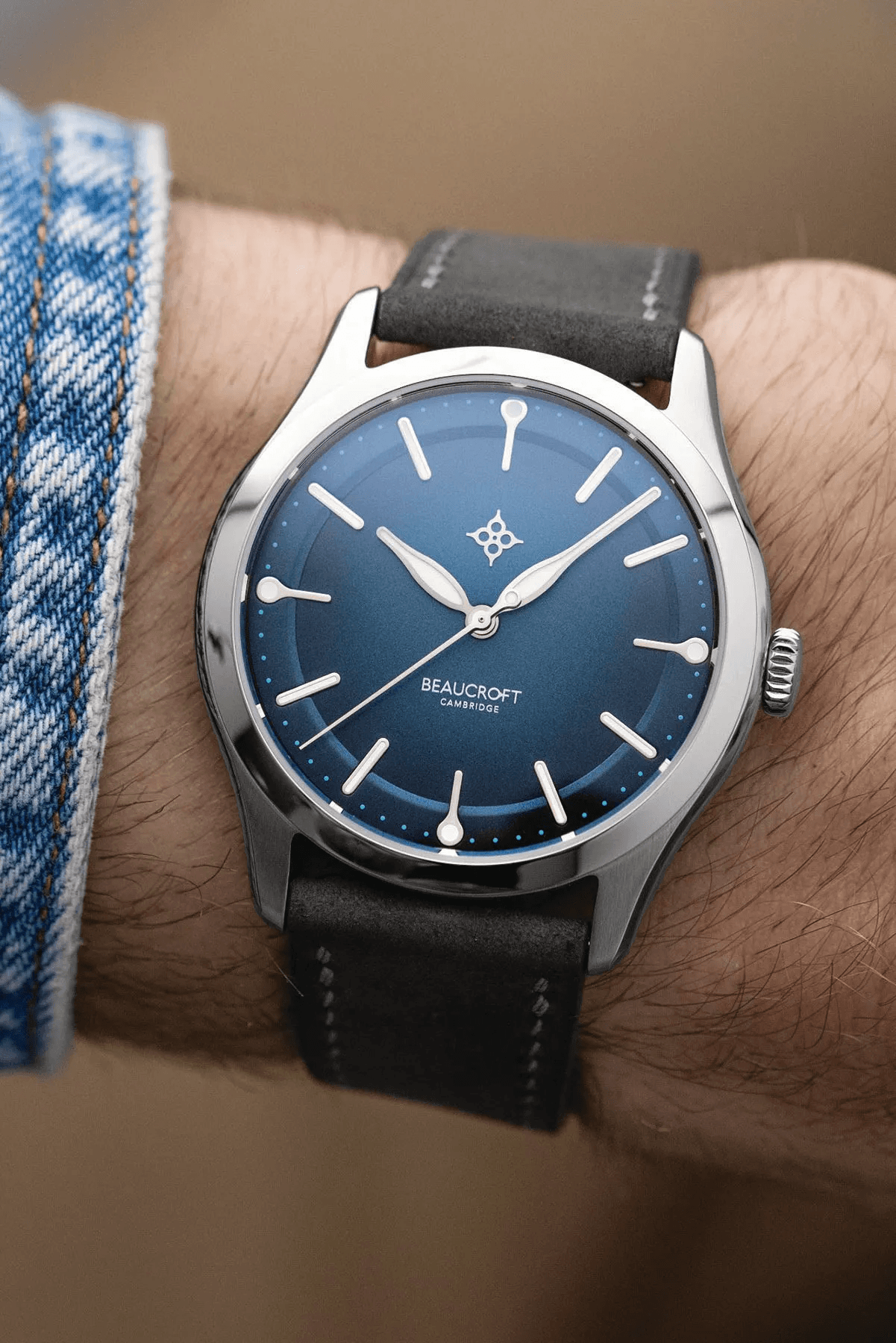
Beaucroft's The Arc Feels Like the Kind of British Independent Progress That Actually Lasts
June 5, 2026
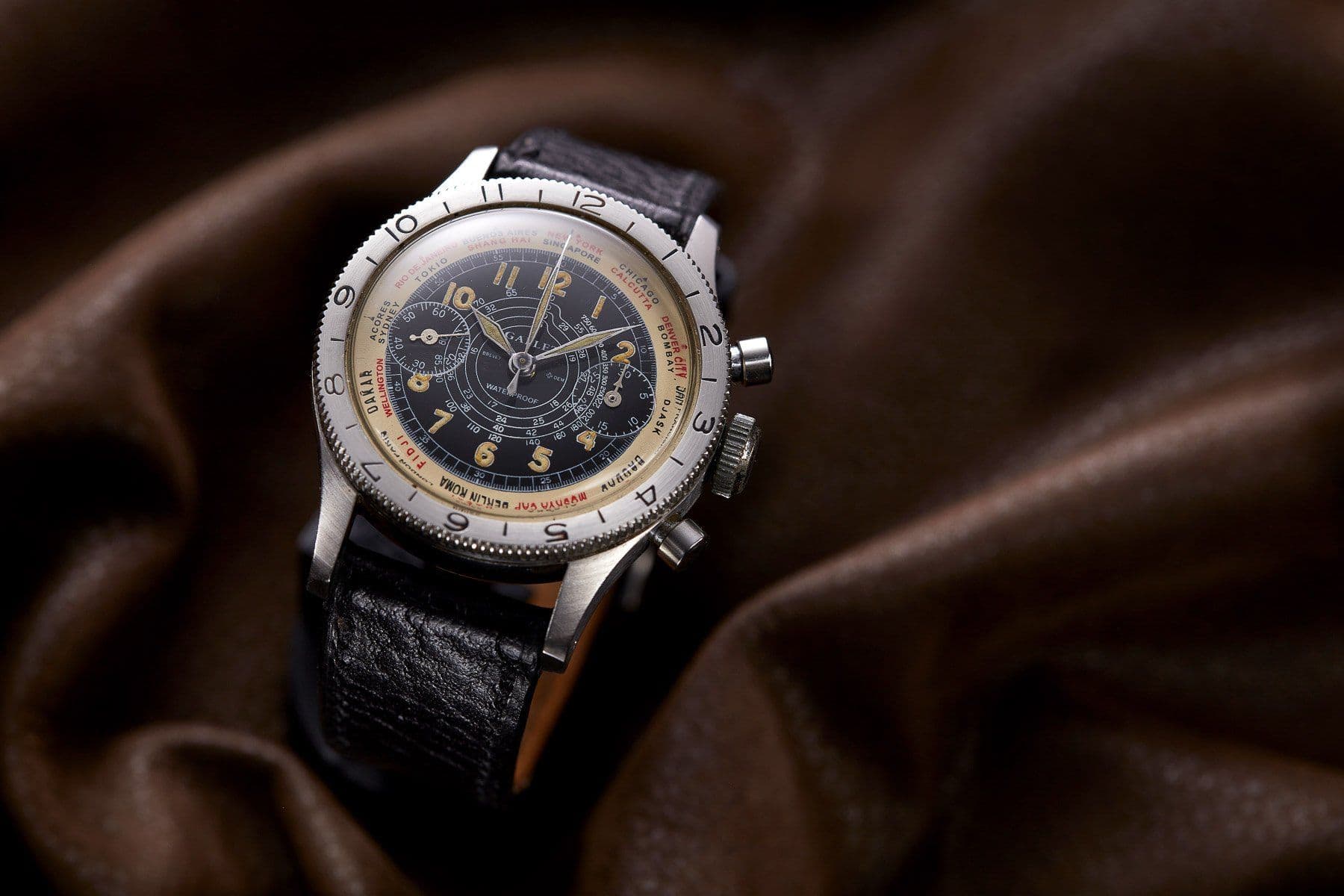
Gallet's 2026 Relaunch Looks Smarter Than a Simple Nostalgia Dump
About the author