May 17, 2026
Why DNA Authentication Could Become the Watch Industry’s Next Arms Race
Haelixa’s push into luxury authentication points to a more serious future for watch verification, one where proof of originality may need to live inside the product itself.

The fake-watch problem is no longer confined to obvious street-market knockoffs. The real pressure point in 2026 is high-fidelity replicas and the growing number of counterfeit pieces that slip into resale, repairs, and returns with enough plausibility to slow down even experienced teams. That is why Haelixa’s DNA-based authentication pitch is worth paying attention to now, even if it sounds futuristic at first glance.
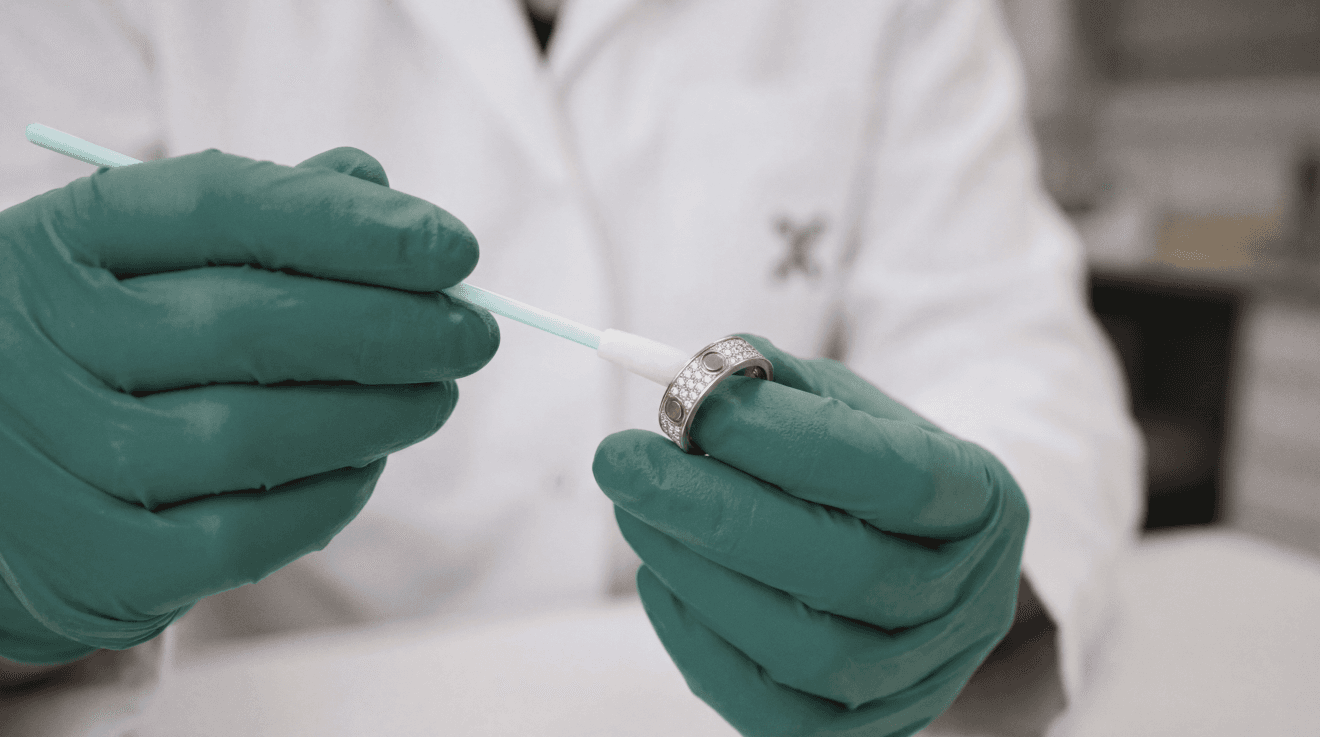
The company’s core claim is straightforward. On its authenticity overview, Haelixa describes an embedded DNA-based anti-counterfeiting system that ties proof of authenticity to the product itself rather than to paperwork, packaging, or an external database. In its February 17, 2026 company update, Haelixa says the marker is integrated at material level, remains with the product, and can be verified by swab and qPCR test in roughly 30 minutes.
That matters because the traditional trust layers around luxury watches are under real stress. Papers can be forged, boxes can be swapped, and digital records only help if every participant in the chain trusts the record and the object in front of them actually corresponds to it. Physical, product-level verification changes that conversation. If the watch or its materials carry a brand-specific forensic marker, authentication becomes less dependent on storytelling and more dependent on evidence.
For the watch industry, the most interesting implication is not only anti-counterfeiting at retail. It is after-sales control. Returns, service intake, buyback programs, and certified pre-owned pipelines all become less vulnerable if brands can test whether a product truly belongs in their system. Haelixa explicitly pitches that operational angle, and it may be the reason this technology gets traction faster than collectors expect.
There are obvious limits. DNA authentication will not replace watchmakers, experts, or brand archives. It also will not make every vintage dispute disappear, since the strongest use case is likely contemporary production where the markers can be embedded from the beginning. But that does not reduce the significance of the idea. It shows where brand protection is heading: less faith in documents, more proof in the object.
This also fits the broader direction of the luxury market. As secondary trading grows and replicas get better, authenticity stops being a side issue and becomes infrastructure. Brands that solve it best will not just reduce fraud. They will build trust more efficiently across resale, service, and customer support.
That is why Haelixa is more than a niche tech story. It points toward a future in which watch authentication becomes more scientific, more operational, and far less dependent on human certainty alone. If that shift happens, the battle against fakes will not just be about better eyes. It will be about better evidence.
Share this piece
Send it to another watch nerd.
Keep reading
Related articles
June 12, 2026
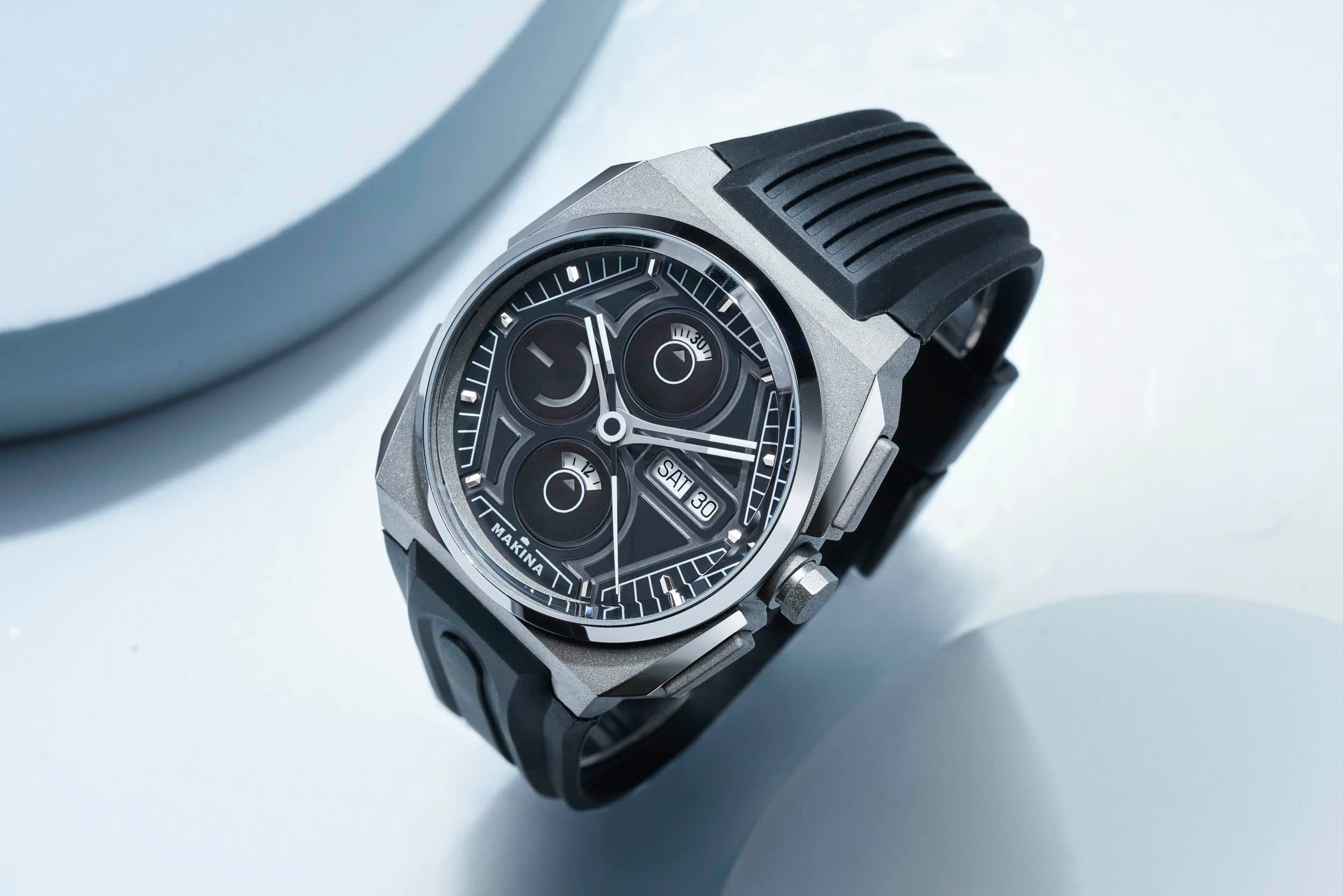
Makina's Cassiel II Shows a Brutalist Chronograph Can Feel Deliberate Instead of Costume-Like
June 12, 2026
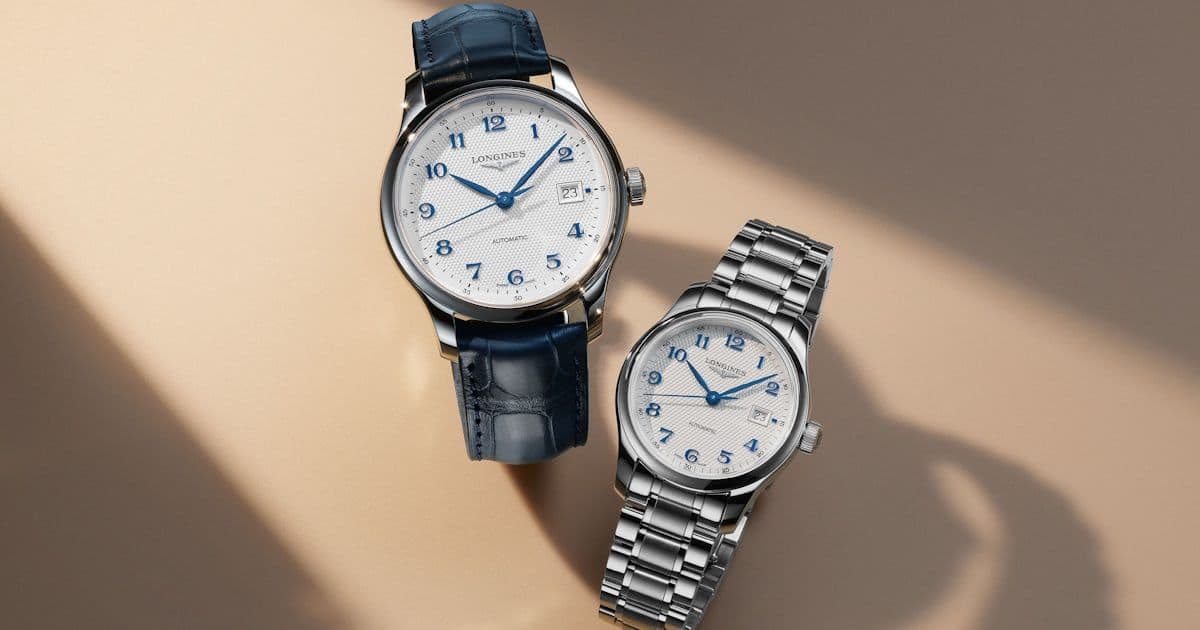
Longines' Master Collection Finally Feels Like a Complete Dress-Watch Platform Instead of a Single Safe Compromise
June 11, 2026
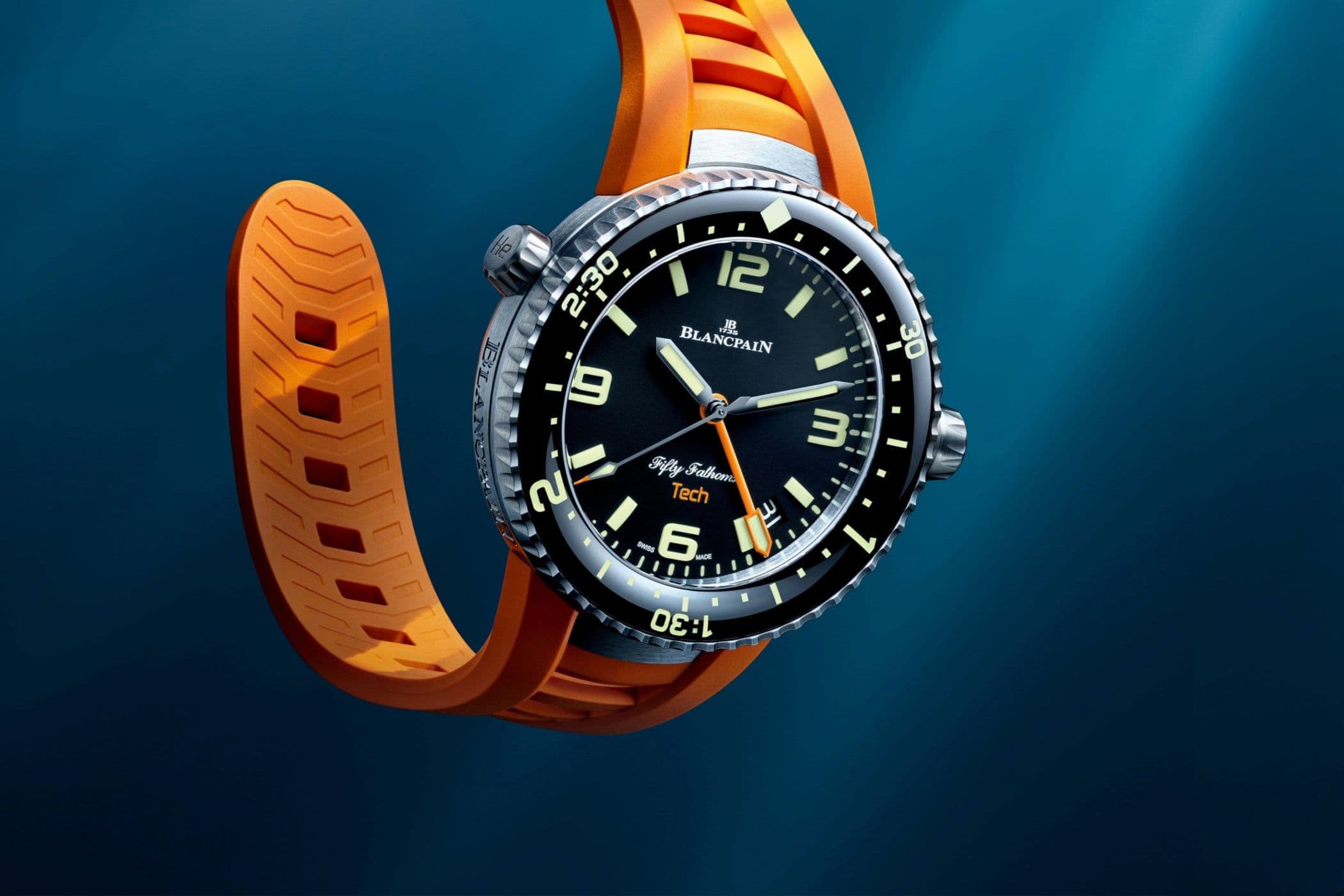
Blancpain's New Fifty Fathoms Tech Makes a Specialist Diver Easier to Defend
About the author