
May 14, 2026
Why Rolex’s 100-Year Oyster Film Matters More Than a Brand Anniversary Clip
Rolex’s new 23-minute Oyster film is more than a centenary celebration. It is a carefully timed reminder that the brand still knows how to turn heritage into present-tense authority.

Rolex is telling a bigger story than nostalgia
On May 12, 2026, Rolex released a 23-minute film celebrating 100 years of the Oyster. On the surface, this could have been a simple anniversary exercise: polished archival footage, a few famous expeditions, and the usual language about innovation and excellence. Instead, the film lands as something more deliberate. It feels like Rolex using its centenary moment to remind the market that the Oyster is not just an old success story. It is still the platform through which the brand explains itself.
That matters because the modern watch world is crowded with brands trying to weaponize history. Heritage has become a standard marketing tool. Everybody has an archive, an icon, a revival, or a famous story to retell. Rolex does too, of course, but what stands out here is scale and confidence. This film does not behave like a defensive retrospective. It behaves like a statement that the Oyster remains the central grammar of modern wristwatch culture.
The Oyster still carries the whole Rolex universe
One of the strongest points in the film is how broad the Oyster story has become over a century. The narrative starts where it should, with Mercedes Gleitze and the English Channel, then moves through exploration, endurance, sport, deep-sea achievement, Everest, and eventually into the modern Rolex ecosystem. What emerges is not just a product timeline. It is a worldview.
The key idea is simple: once Rolex solved the problem of making the wristwatch feel durable, sealed, and trustworthy in daily life, it created a foundation broad enough to carry almost everything that followed. The Oyster is not one model family in the way collectors often talk about a Submariner, a Day-Date, or a Daytona. It is the structural idea underneath the empire.
That is why the film works. It makes the Oyster feel less like a heritage object and more like the original operating system for the brand.
Timing matters in May 2026
The release also arrives at exactly the right moment. Rolex is already leaning into the Oyster centenary across its 2026 messaging and product framing. A shorter, safer clip would have been enough to mark the date. But a 23-minute film suggests Rolex understands something important about today’s luxury environment: brand dominance now depends not only on scarcity or product strength, but on narrative depth.
Collectors are more literate than ever. Casual buyers are more exposed to watch culture than ever. Social media has made every release feel instantly comparable, instantly discussable, and instantly vulnerable to flattening. In that environment, a brand needs to do more than say it has history. It has to stage that history in a way that still feels expansive.
This is where Rolex remains unusually strong. The brand knows how to tell a story at industrial scale without making the story feel flimsy.
Why this is a watch-world topic, not just a Rolex topic
Even people who are tired of Rolex coverage should pay attention to this release because it says something about how the upper end of the watch market now communicates power. Rolex is not trying to win by becoming louder, more experimental, or more niche. It is reinforcing authority by showing continuity, ambition, and reach.
That matters for the rest of horology because Rolex is still the reference point around which much of the industry positions itself. When Rolex chooses to celebrate the Oyster with a long-form film instead of just a campaign page, it raises the standard for what anniversary storytelling can look like. It turns a milestone into a piece of watch-world infrastructure.
And the subtext is clear. Rolex is not merely saying, "look how far we have come." It is saying, "we are still the frame through which modern wristwatch legitimacy is understood."
The best moment in the film is not a glamour shot
What makes the piece effective is that it occasionally opens the curtain just enough. Alongside the archival sweep and mythic moments, there are glimpses of testing, research, precision systems, and the behind-the-scenes industrial machinery that collectors often talk about in the abstract. Rolex rarely needs to explain itself in technical detail to maintain status, which is exactly why those moments hit harder when they appear.
They remind the viewer that the brand’s real power comes from marrying symbolism with systems. Plenty of companies can sell aspiration. Very few can pair that with manufacturing discipline, technical consistency, and a century-long cultural feedback loop.
Final take
Rolex’s Oyster film is important because it is not just commemorative. It is strategic. In a market obsessed with novelty, Rolex used an anniversary to reinforce permanence. In a hobby full of micro-detail and model-by-model debate, it zoomed out and reminded everyone that some brands still shape the overall field.
That is why this film matters beyond YouTube metrics or centenary marketing. It shows that the Oyster remains one of the most successful ideas in watchmaking history, and that Rolex still knows how to present that idea in a way that feels relevant rather than dusty.
For collectors, the takeaway is straightforward. Even when Rolex is not launching the most surprising product in the room, it remains exceptionally good at controlling the meaning of its own history. And in 2026, that may be one of the most valuable skills any watch brand can have.
Share this piece
Send it to another watch nerd.
Keep reading
Related articles

June 12, 2026
Makina's Cassiel II Shows a Brutalist Chronograph Can Feel Deliberate Instead of Costume-Like
June 12, 2026
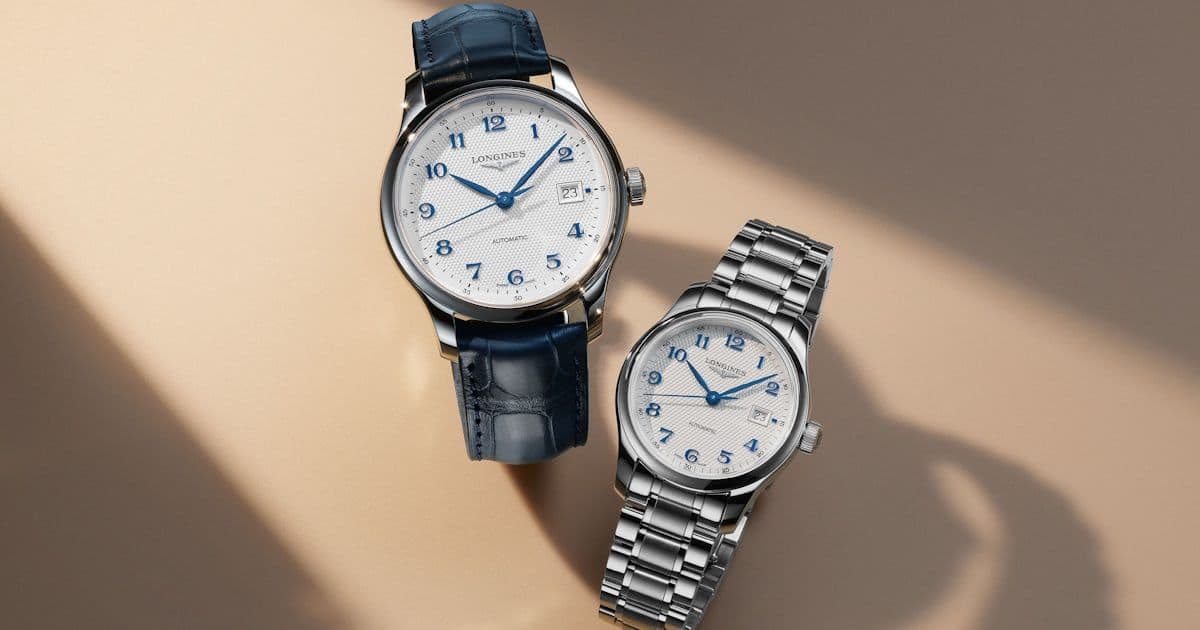
Longines' Master Collection Finally Feels Like a Complete Dress-Watch Platform Instead of a Single Safe Compromise
June 11, 2026
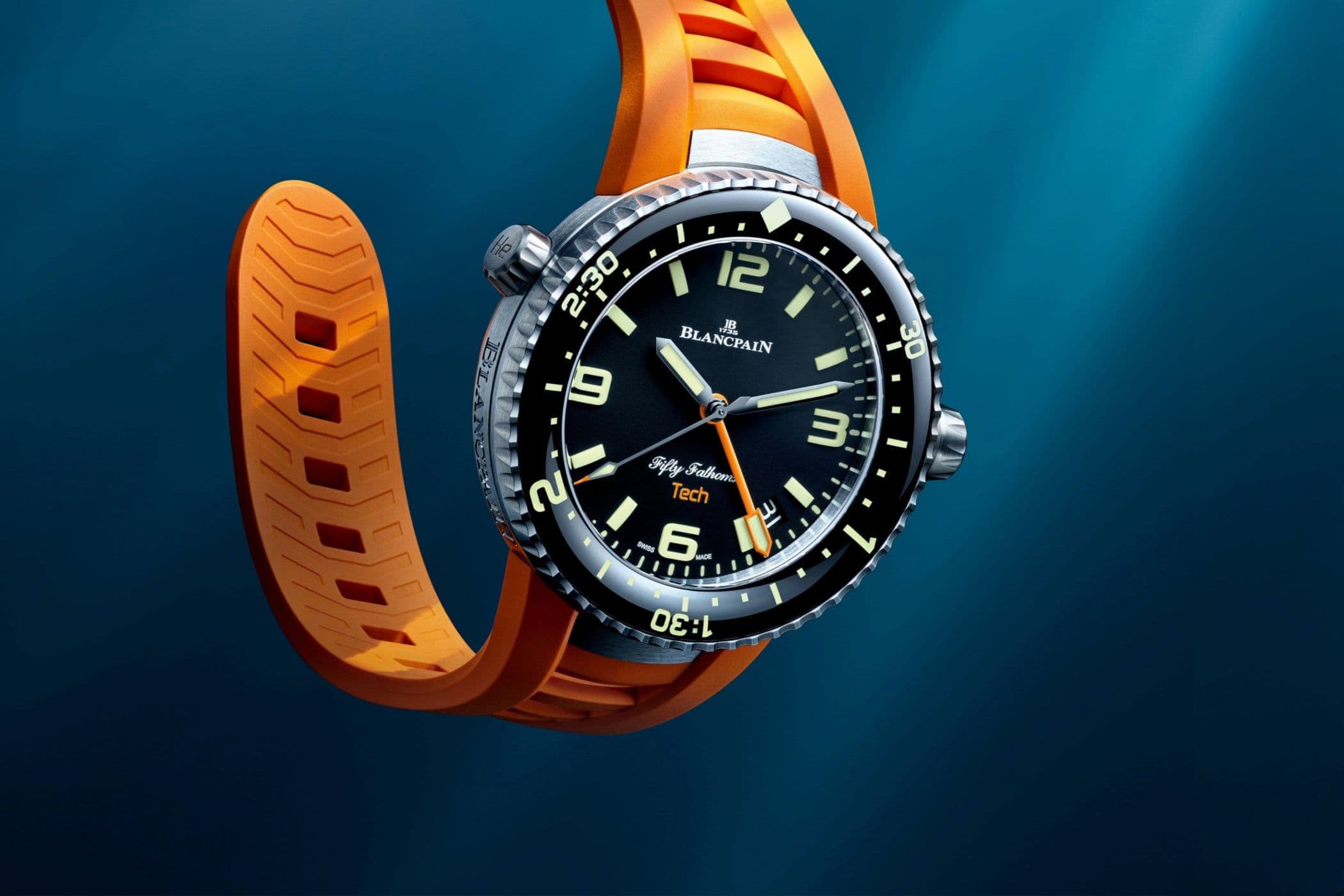
Blancpain's New Fifty Fathoms Tech Makes a Specialist Diver Easier to Defend
About the author