May 13, 2026
Swatch x Audemars Piguet Royal Pop Is Here and the Watch World Is Split
Swatch and Audemars Piguet have officially launched Royal Pop, an eight-piece pocket-watch collection that borrows Royal Oak cues and has already sparked one of 2026's liveliest watch debates.

The drop is real, and it is not what most people expected
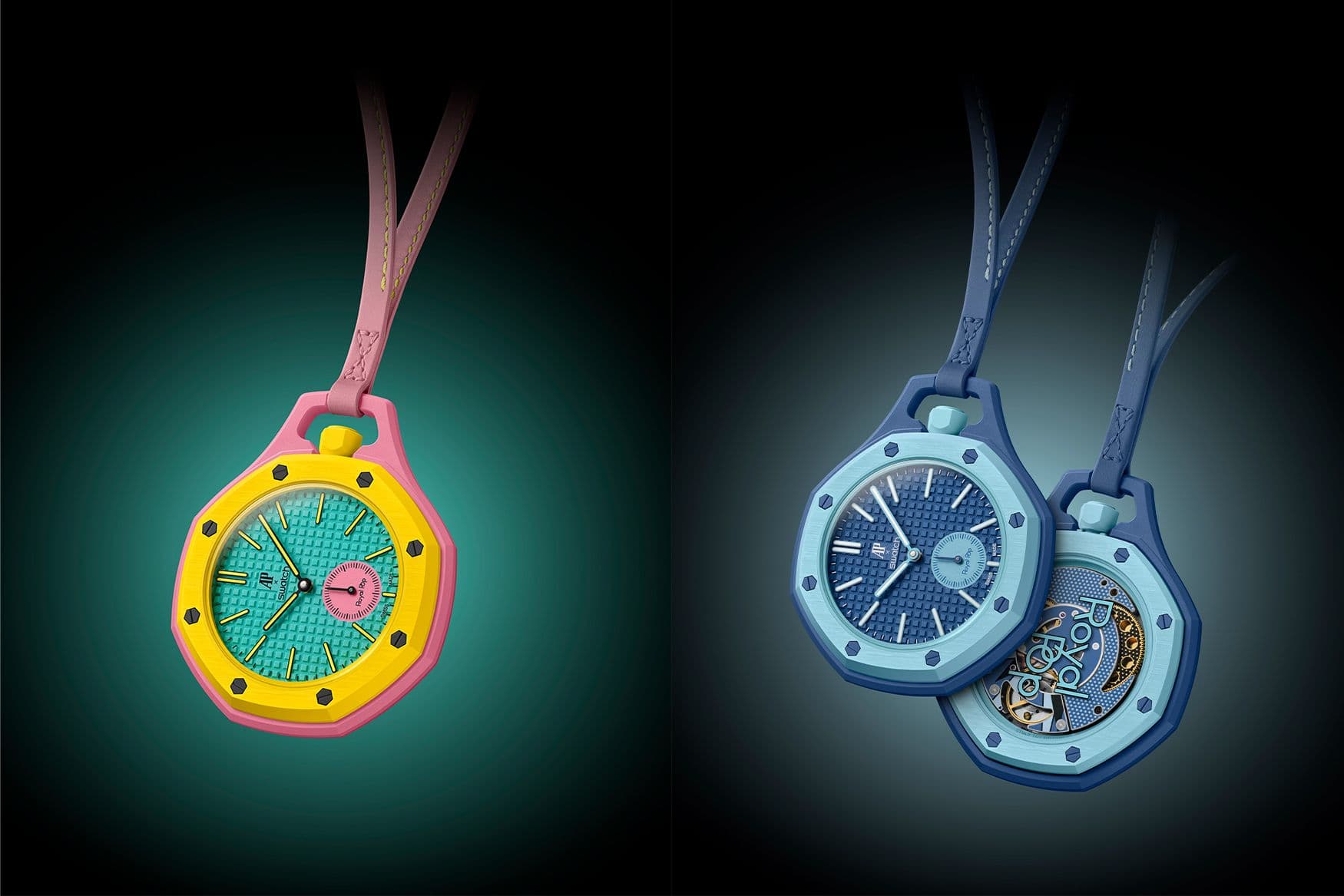
Swatch and Audemars Piguet have officially revealed the Royal Pop, the first public product from their much-hyped collaboration. The biggest twist is also the reason the launch will be discussed for weeks: this is not a plastic Royal Oak for the wrist. It is a colorful pocket-watch collection built around Swatch's Pop concept, reworked with unmistakable Royal Oak cues.
That decision makes the launch more interesting than the obvious alternative. A simple bioceramic wristwatch would have guaranteed hype, but it also would have invited the most predictable criticism. By going with a pocket watch, Swatch and AP found a way to play with the Royal Oak language without pretending to replace it.
What Swatch and AP actually released
According to Audemars Piguet's official release, Royal Pop arrives in eight models, each designed to be worn in multiple ways, including around the neck, in the pocket, or attached like an accessory. The collection uses Bioceramic cases, sapphire crystals front and back, Royal Oak-inspired octagonal bezels with eight hexagonal screws, and Swatch's manually wound SISTEM51 movement with more than 90 hours of power reserve.
Audemars Piguet also says 100 percent of its proceeds from the collaboration will go toward supporting the preservation and transmission of watchmaking savoir-faire, especially rare skills and the next generation of talent. That does not remove the marketing dimension, but it does give the project a more thoughtful second layer than a pure hype drop.
Why the pocket-watch format was the smart move
This release works best when you see it as brand theater rather than as a substitute for a Royal Oak. That may sound dismissive, but it is actually why the concept lands. Royal Pop is playful, self-aware, and intentionally unserious in the right places. It borrows AP's visual codes, but it avoids the more awkward question of whether a low-cost wristwatch should mimic the full wearing experience of one of modern luxury watchmaking's most loaded icons.
The pocket-watch route gives both brands room to be bolder. It lets Swatch lean into color, novelty, and modularity, while AP keeps enough distance for the collaboration to feel experimental instead of cannibalistic. In other words, Royal Pop behaves more like a design conversation than a budget Royal Oak.
The early reviews are already pointing in two directions
The first wave of coverage shows why this launch is going to stay hot. Hodinkee treated the idea as a surprisingly strong creative answer to the collaboration question, arguing that the pocket-watch concept avoids cheapening the Royal Oak while still making the whole project fun. Time+Tide framed it as a rule-breaking mass-market piece and emphasized how unexpected the final format was after days of wristwatch speculation.
That split tells you almost everything you need to know about the discourse. One camp sees Royal Pop as a clever act of restraint: bold enough to get attention, but weird enough to protect the real AP product universe. The other camp sees it as proof that modern watch launches now depend as much on spectacle and meme energy as they do on horological purity.
What collectors are likely to argue about
The first argument will be about legitimacy. Some collectors will love the fact that AP did not simply license the Royal Oak silhouette for a straightforward bioceramic wristwatch. Others will say a pocket watch still trades too heavily on Royal Oak symbolism. Both reactions are understandable.
The second argument will be about longevity. The MoonSwatch succeeded not only because it was controversial, but because it was easy to wear and easy to understand. Royal Pop is more eccentric. That may help it feel fresher today, but it could also keep it from becoming the same kind of mainstream phenomenon.
The third argument is the one that matters most: did AP handle this with enough taste? On balance, I think the answer is yes. The collaboration feels more playful than cynical. It takes a risk, it knows it is absurd, and it stops short of turning the Royal Oak into a full parody.
The watch details do matter
Royal Pop would be much easier to dismiss if the execution were lazy. Instead, the details are thoughtful enough to keep serious watch people engaged. The manually wound SISTEM51 matters because it gives the project a mechanical backbone rather than reducing it to a quartz souvenir. The 90-hour reserve is strong for this price tier. The Royal Oak cues are obvious, but the format keeps them from feeling like a one-to-one copy.
That does not mean everyone will want one. It means the watch has enough internal logic to justify the conversation around it.
Final take
Royal Pop is not a watch for purists who wanted AP to stay far away from Swatch. It is also not the cheap Royal Oak fantasy that rumor culture spent days inventing. It is something stranger and, for that reason, probably smarter.
Swatch gets the kind of global attention it knows how to manufacture. Audemars Piguet gets a collaboration that introduces its design language to a wider audience without fully flattening the brand into a mass product. And the watch world gets exactly what it secretly wanted: something bold enough to argue about.
If the best watch stories are the ones that force collectors to decide what they actually value, Royal Pop is already a success.
Share this piece
Send it to another watch nerd.
Keep reading
Related articles
June 12, 2026
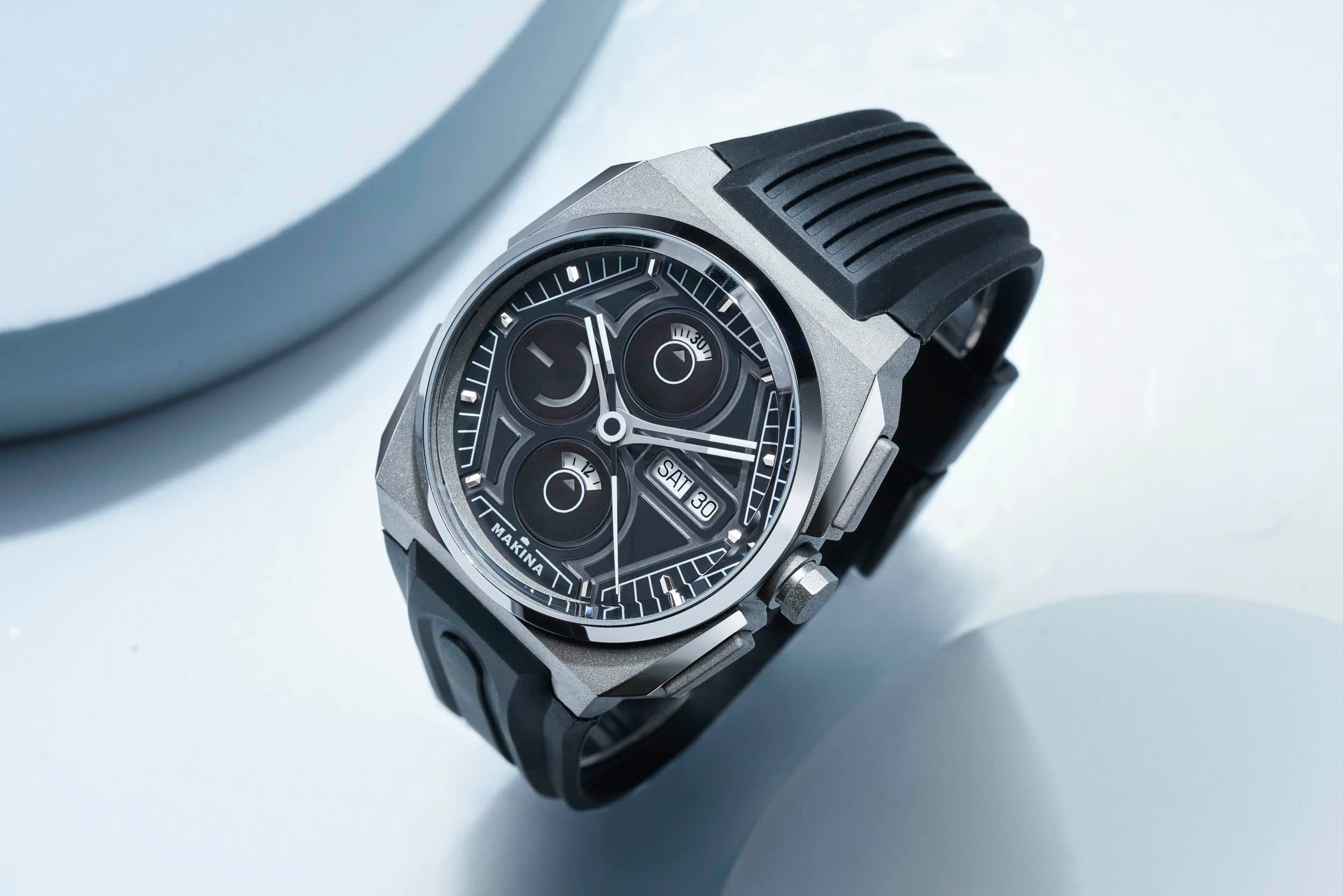
Makina's Cassiel II Shows a Brutalist Chronograph Can Feel Deliberate Instead of Costume-Like
June 12, 2026
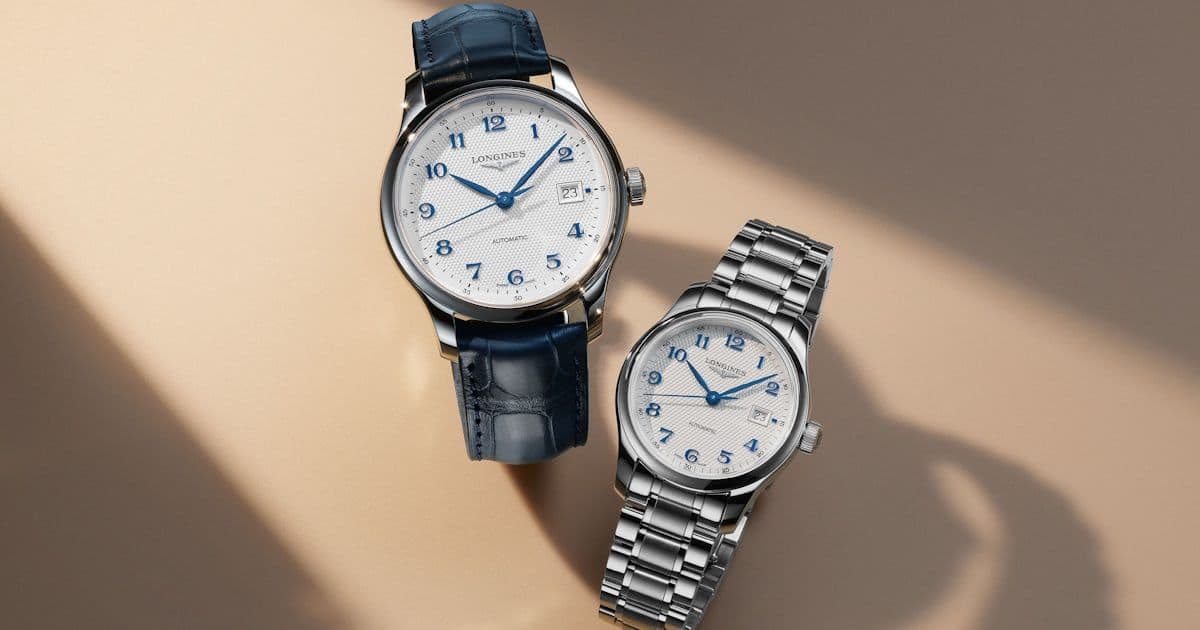
Longines' Master Collection Finally Feels Like a Complete Dress-Watch Platform Instead of a Single Safe Compromise
June 11, 2026
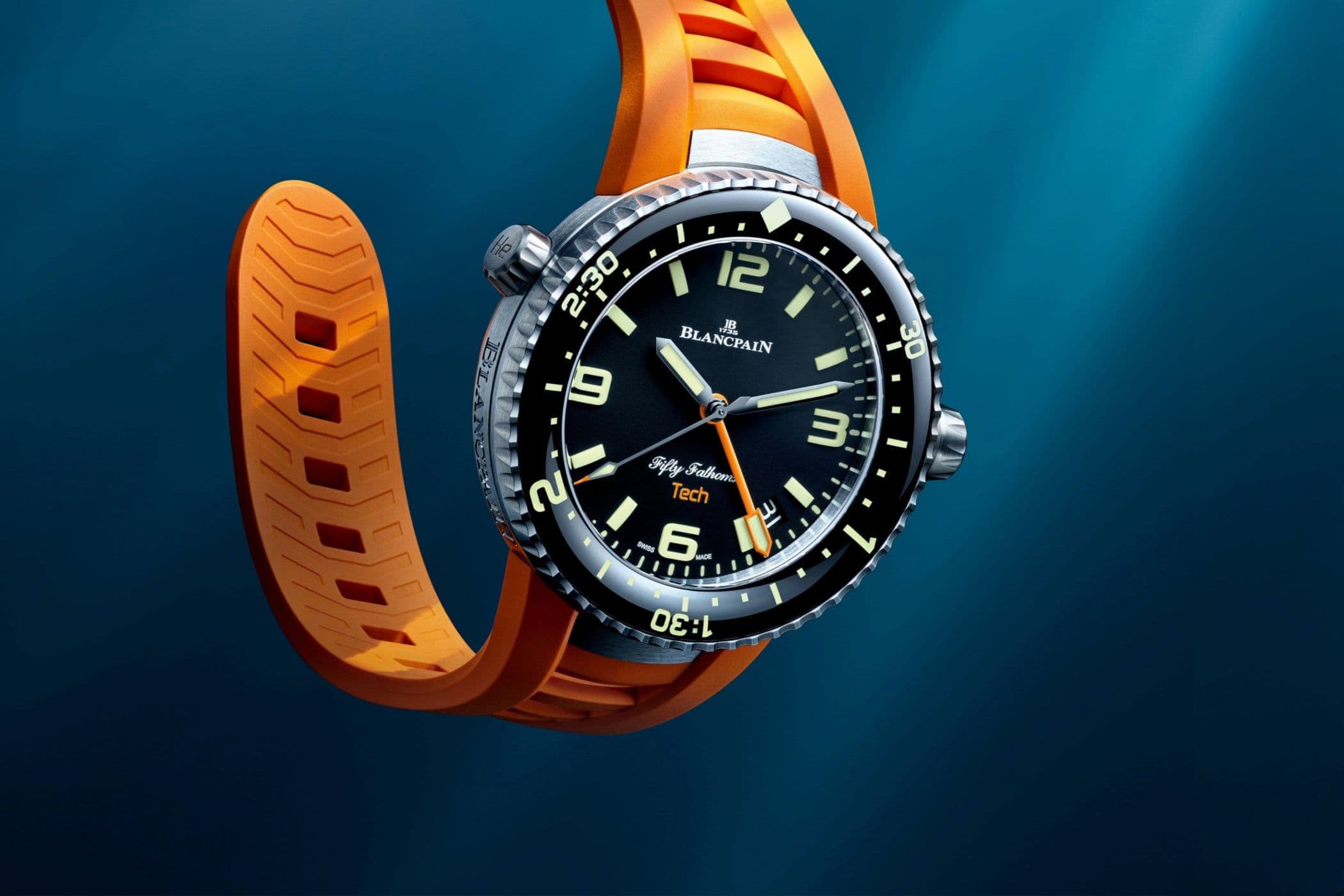
Blancpain's New Fifty Fathoms Tech Makes a Specialist Diver Easier to Defend
About the author