April 5, 2026
Exploring Watch Movements: Innovations and Science Explained
Dive into the intricate world of watch movements, their importance, and the innovations driving the art and science behind horology.

Introduction to Watch Movements
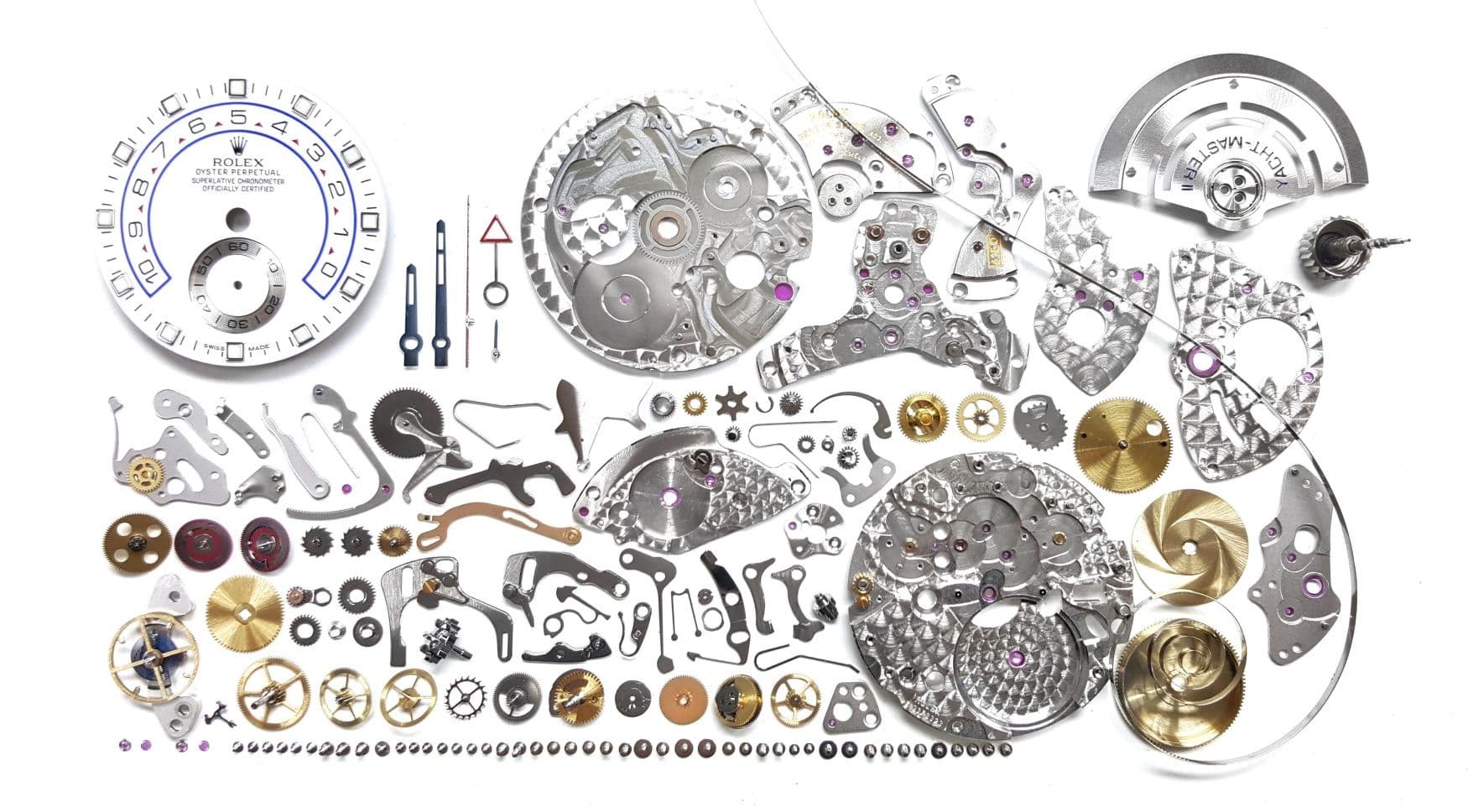
Watch movements, often referred to as calibers, form the heart of any timepiece. They are the intricate mechanisms responsible for keeping time, driving the hands, and operating other functions of a watch, such as the date or chronograph. Understanding watch movements is essential not only for horology enthusiasts but also for anyone interested in the blending of art, science, and innovation.
Definition and Importance of Watch Movements
In essence, a watch movement is the engine that powers a watch. It takes stored energy, whether from a wound spring or a battery, and uses it to move the gears that drive the watch hands. Besides powering basic timekeeping functions, movements also facilitate additional complications, which can include anything from a simple calendar to advanced perpetual calendars or moon phase indicators.
Overview of Traditional vs. Modern Technologies
The world of watches is rich with diverse movement technologies. Traditionally, mechanical and quartz movements dominated the industry. However, the rise of hybrid movements and smartwatch technologies has transformed the landscape, blending traditional craftsmanship with advanced digital capabilities.
Traditional Watch Movements
Mechanical Movements
Overview of Mechanical Movements
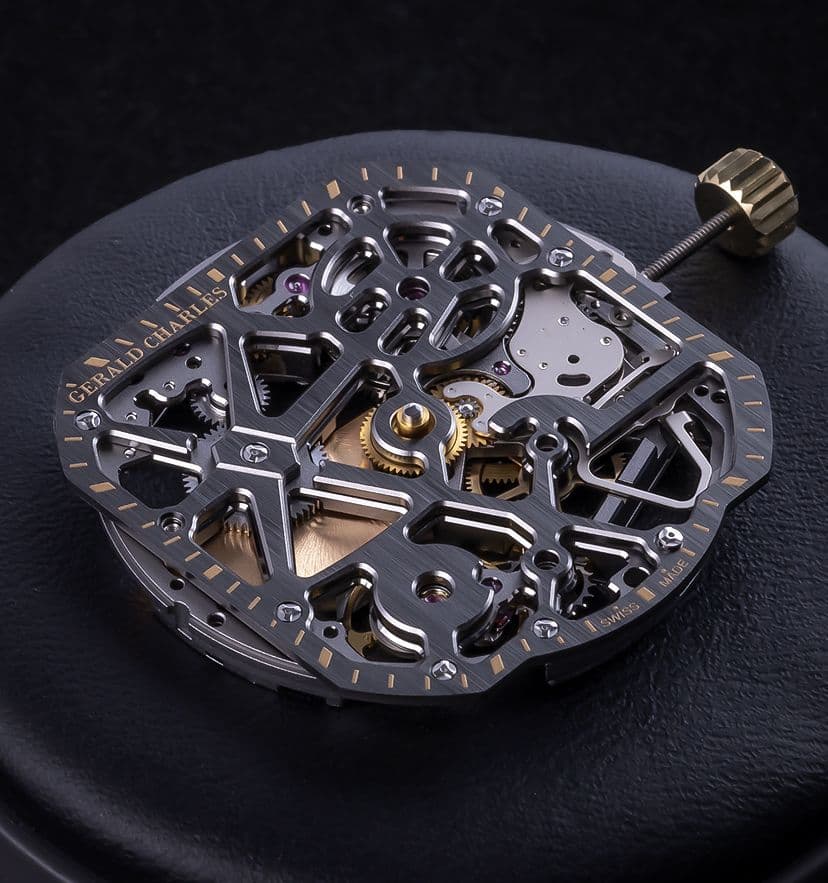
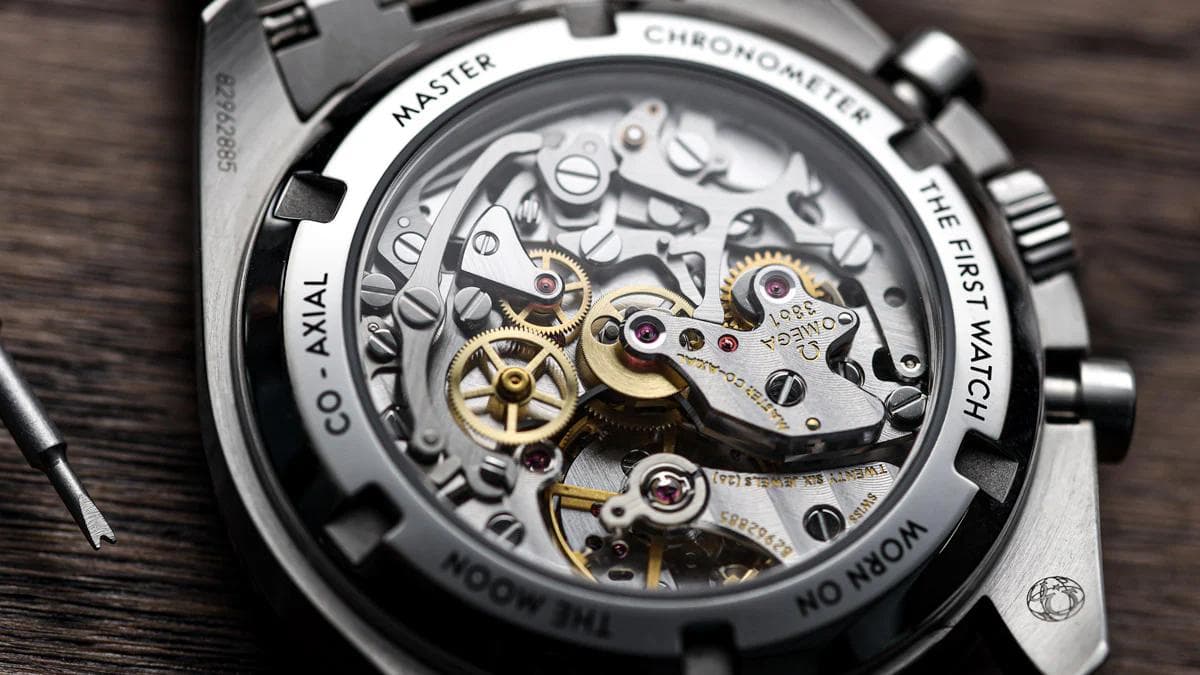
Mechanical movements are revered in the world of watchmaking for their intricate craftsmanship. They rely on a mainspring that is wound manually or automatically (via the movement of the wearer's wrist, known as an automatic movement) to power the watch. Mechanical watches consist of hundreds of tiny parts, meticulously assembled to offer a smooth, sweeping motion of the hands.
History and Evolution
The history of mechanical movements dates back to the 16th century. Over time, technological advancements led to the development of highly sophisticated movements. Brands like Patek Philippe and Jaeger-LeCoultre are renowned for their exceptional mechanical watches, with models like the Patek Philippe Calatrava and the Jaeger-LeCoultre Reverso standing as testaments to mechanical mastery.
Quartz Movements
Overview of Quartz Technology
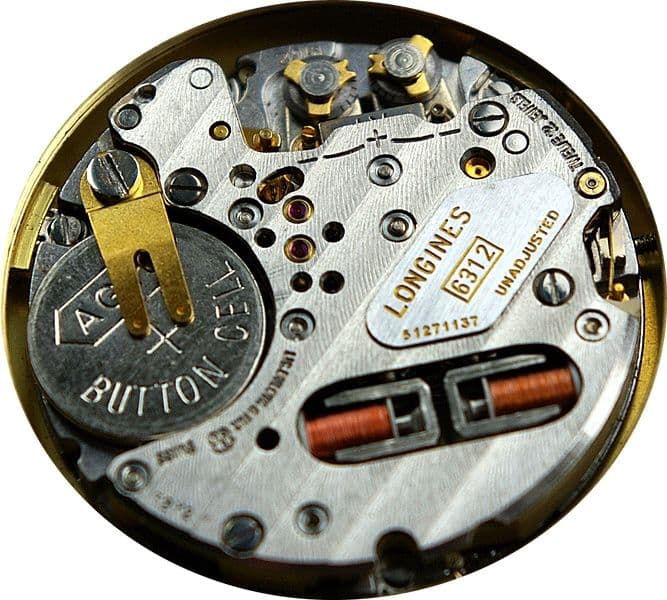
The quartz movement revolutionized the watch industry in the 1970s. Unlike mechanical movements, quartz watches are powered by a battery. A quartz crystal oscillates at a precise frequency, which is then translated into consistent timekeeping. This technology allows for unparalleled accuracy, with minimal maintenance compared to mechanical watches.
Impact on the Watch Industry
The introduction of quartz movements, exemplified by the Seiko Astron in 1969, brought about a paradigm shift, often referred to as the Quartz Crisis. The affordability and accuracy of quartz watches led to a significant decline in the Swiss mechanical watch industry. However, it also paved the way for technological innovation and diversification within the watch market.
Recent Innovations in Watch Movements
Hybrid Movements
Definition and Functionality
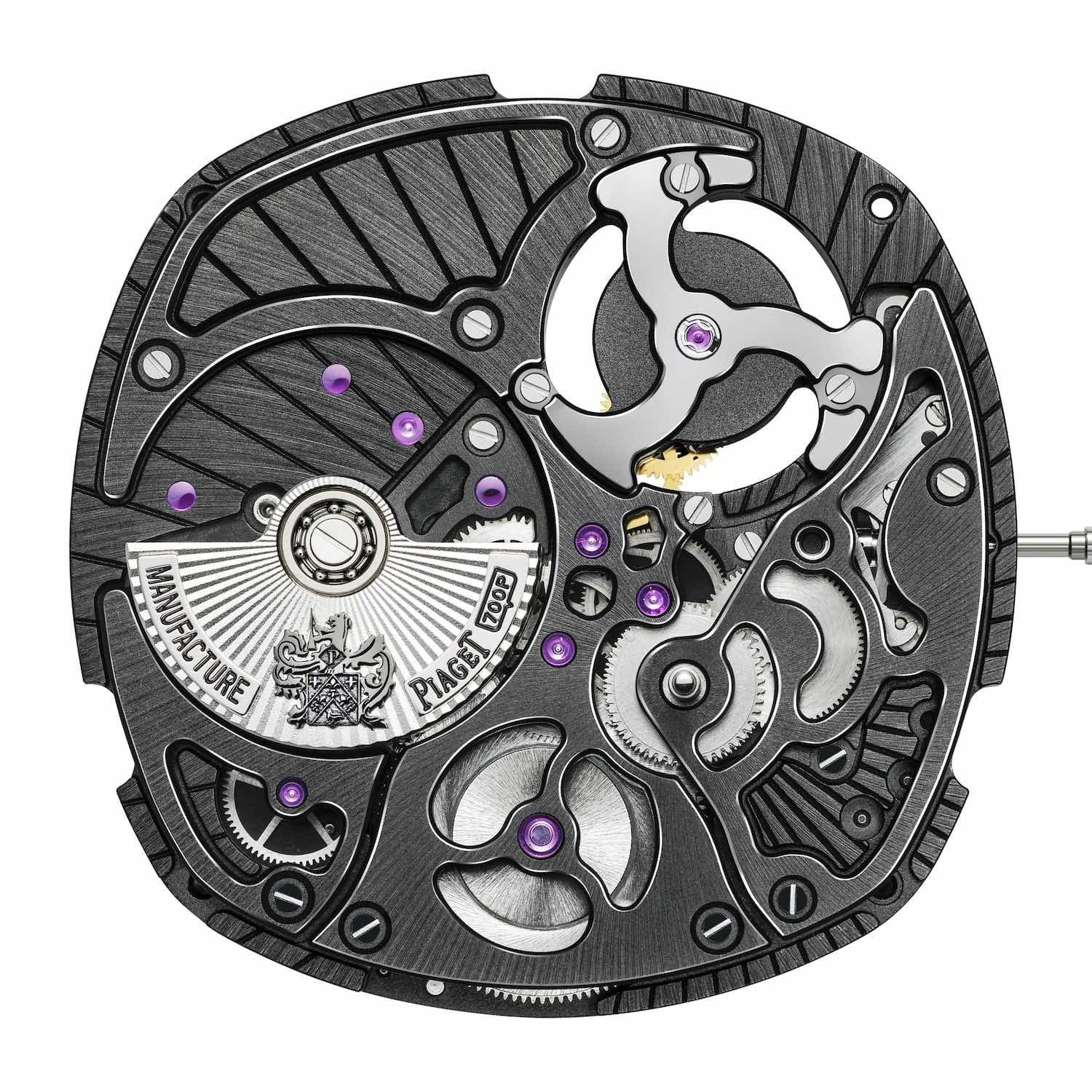
Hybrid movements represent a fusion of mechanical craftsmanship and quartz precision. By combining the automatic winding mechanism of a mechanical watch with the accuracy of quartz technology, hybrids offer the best of both worlds. This results in watches that maintain the elegance and tradition of mechanical timepieces while benefiting from quartz reliability.
Key Brands and Models Utilizing Hybrid Movements
Several brands have embraced hybrid technology. For example, the Seiko Spring Drive combines mechanical movement with quartz regulation, providing impeccable accuracy and a smooth gliding second hand. Another notable example is the Omega Seamaster Aqua Terra, which utilizes hybrid technology for increased precision and functionality.
Smartwatch Integration

Overview of Smartwatch Features
Smartwatches integrate advanced technology to offer features beyond traditional timekeeping. These wearables connect to smartphones, enabling notifications, fitness tracking, GPS capabilities, and more. While some smartwatches mimic traditional watch aesthetics, their primary appeal lies in their multifunctionality and connectivity.
Impact on Traditional Watchmaking
The rise of smartwatches has posed challenges to traditional watchmakers, prompting brands to innovate. Companies such as TAG Heuer and Montblanc have embraced smart technology, integrating digital capabilities into classic designs. This fusion of tech and tradition caters to a new generation of consumers, eager for both style and substance.
Advancements in Accuracy
Technological Innovations
Atomic Clocks and Timekeeping Precision
Atomic clocks represent the pinnacle of precision timekeeping. Advances in timekeeping technology have led to the development of atomic wristwatches, like the Citizen Eco-Drive Satellite Wave, which uses satellite signals to maintain precise time. These innovations push accuracy to levels previously unimaginable in conventional watchmaking.
New Materials used for Enhanced Accuracy
In recent years, watchmakers have experimented with materials such as silicon and carbon composites to enhance movement precision and durability. Silicon is utilized in components like hairsprings, reducing friction and the effects of magnetism, ultimately improving timekeeping performance.
Impact on Performance
Real-world Implications for Watch Users
For watch enthusiasts and everyday users, these advancements translate into better reliability and reduced maintenance. Watches with enhanced accuracy benefit professionals who rely on precise timing, such as pilots and divers, while offering peace of mind to those who value punctuality in day-to-day life.
Comparing Traditional and Modern Innovations
Performance Metrics
Accuracy and Reliability
Modern movements, particularly those integrating quartz technology, generally offer superior accuracy compared to traditional mechanical movements. However, mechanical watches excel in craftsmanship and emotional value, appealing to those who admire tradition and artistry.
Durability and Longevity
Durability in modern watches is often enhanced by using advanced materials, while longevity is ensured by reduced maintenance needs. In contrast, high-quality mechanical watches can last generations with proper care, becoming heirlooms cherished for their historical significance.
Pricing Considerations
Cost of Traditional Movements vs. Modern Innovations
Traditional mechanical watches often command higher prices due to their intricate craftsmanship and brand legacy. Modern quartz and hybrid watches tend to be more affordable, although high-end smartwatches and advanced hybrids can reach premium price points.
Value Perception Among Consumers
Consumers value different aspects of watches based on their needs and preferences. Traditional movements are valued for their heritage and aesthetic appeal, while modern innovations are appreciated for functionality and cutting-edge technology.
The Role of Technology in Shaping the Watch Industry
Influence on Design and Functionality
Tech-forward Designs
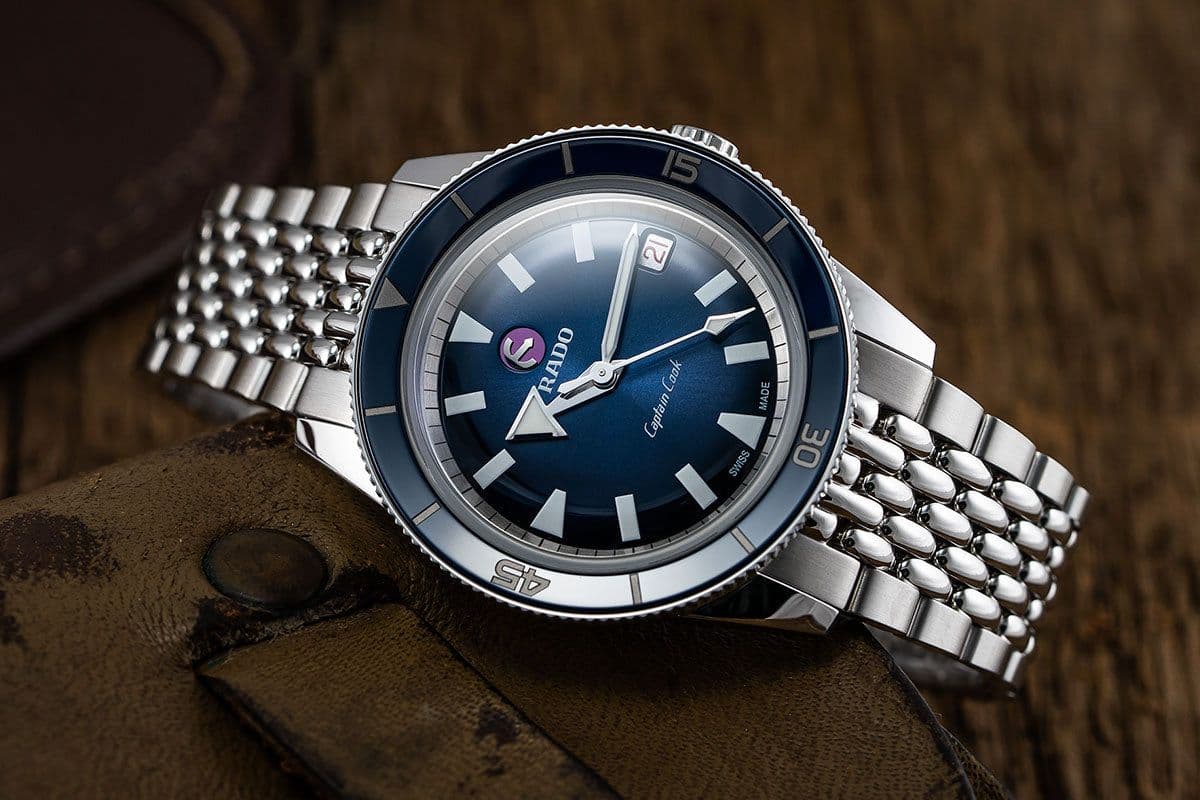
Technology has influenced watch design, leading to sleeker profiles and bold aesthetics. Brands like Rado and Hamilton are known for innovative designs that integrate modern tech without compromising traditional elegance.
Combining Aesthetics with Technology
Today's consumers demand watches that combine style with functionality. Brands that strike a balance between the two have successfully captured market share, as seen with the success of models like the Apple Watch Hermès.
Consumer Trends and Preferences
Appeal to Tech-savvy Buyers
Tech-savvy consumers gravitate towards watches that integrate the latest advancements, valuing connectivity and multiple functionalities. The rise of smartwatches reflects this trend, offering comprehensive features that go beyond simple timekeeping.
Shifts in Market Demand
As technology continues to evolve, market demand shifts towards versatile watches that cater to diverse lifestyles. Watches that blend tradition with innovation appeal to a wide range of consumers, from collectors to tech enthusiasts.
Conclusion
Future Outlook for Watch Movements
The future of watch movements will likely involve further integration of advanced materials, technology, and digital capabilities. As consumer preferences evolve, the industry will continue to innovate, offering increasingly sophisticated and versatile timepieces.
Final Thoughts on Innovation and Craftsmanship
The intersection of innovation and craftsmanship defines the contemporary watch industry. While new technologies revolutionize functionality and performance, the enduring appeal of traditional craftsmanship ensures that mechanical watches remain cherished for generations. The future of horology is bright, with endless possibilities for creative and technical advancements.
Share this piece
Send it to another watch nerd.
Keep reading
Related articles
About the author