March 24, 2026
The Evolution of Watch Movements: From Mechanical to Smart
Explore the evolution of watch movements from mechanical craftsmanship to modern smart technology. Discover the intricacies behind timekeeping devices

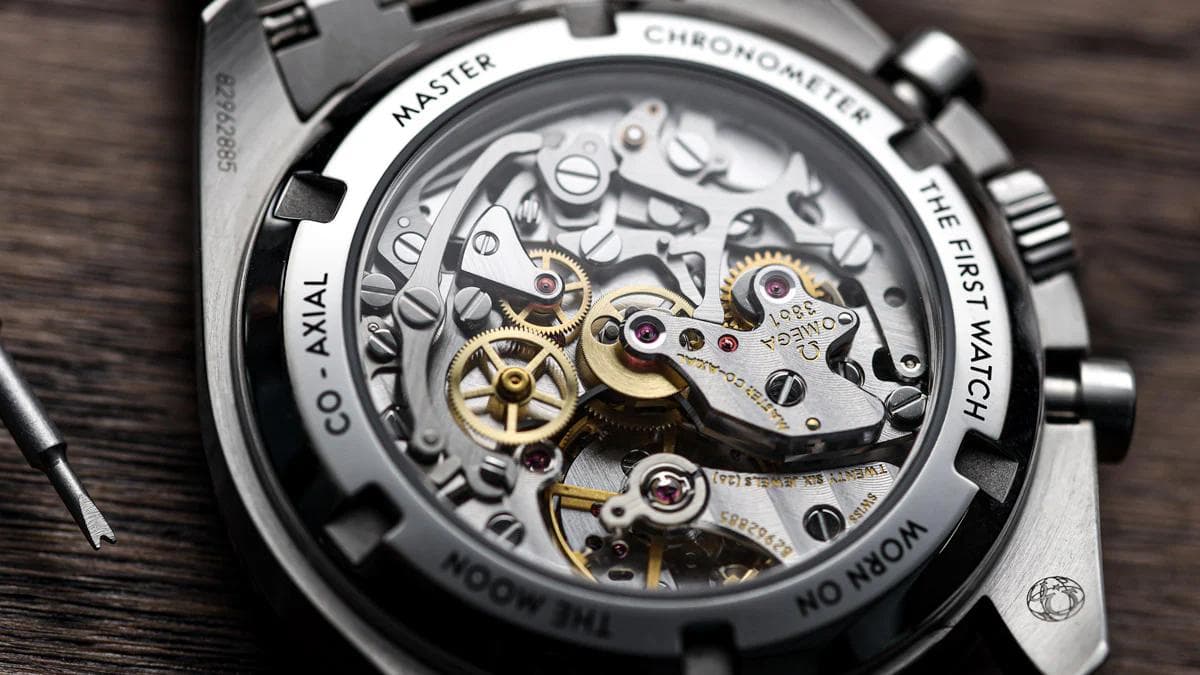
Introduction to Watch Movements
Watch movements are the intricate mechanisms that power timekeeping devices, fundamentally shaping the experience of watch enthusiasts and casual wearers alike.
Understanding watch movements is crucial for appreciating the craftsmanship and technology behind each piece. Movements determine not only how a watch functions but also contribute to its aesthetic appeal and value.
Historically, the evolution of watch movements has been a testament to human ingenuity, reflecting societal changes and technological advancements throughout the ages.
The Mechanical Era
Early Innovations
The story of watch movements begins with mechanical timepieces, which can be traced back to the early 14th century in Europe, where the first mechanical clocks were developed. These clocks were powered by weights and gears and laid the groundwork for more portable timekeeping devices.
By the 16th century, watchmakers began to refine these mechanisms. The invention of the mainspring allowed for the creation of smaller, portable watches. Notably, the first pocket watches emerged during this period, characterized by their ornate designs and craftsmanship.
The Advent of Automatic Movements
The late 18th century saw a pivotal advancement with the introduction of automatic movements, which wound themselves as the wearer moved. Notable watchmaker Abraham-Louis Breguet introduced the first self-winding watch in 1770, setting a new standard for convenience and engineering marvel.
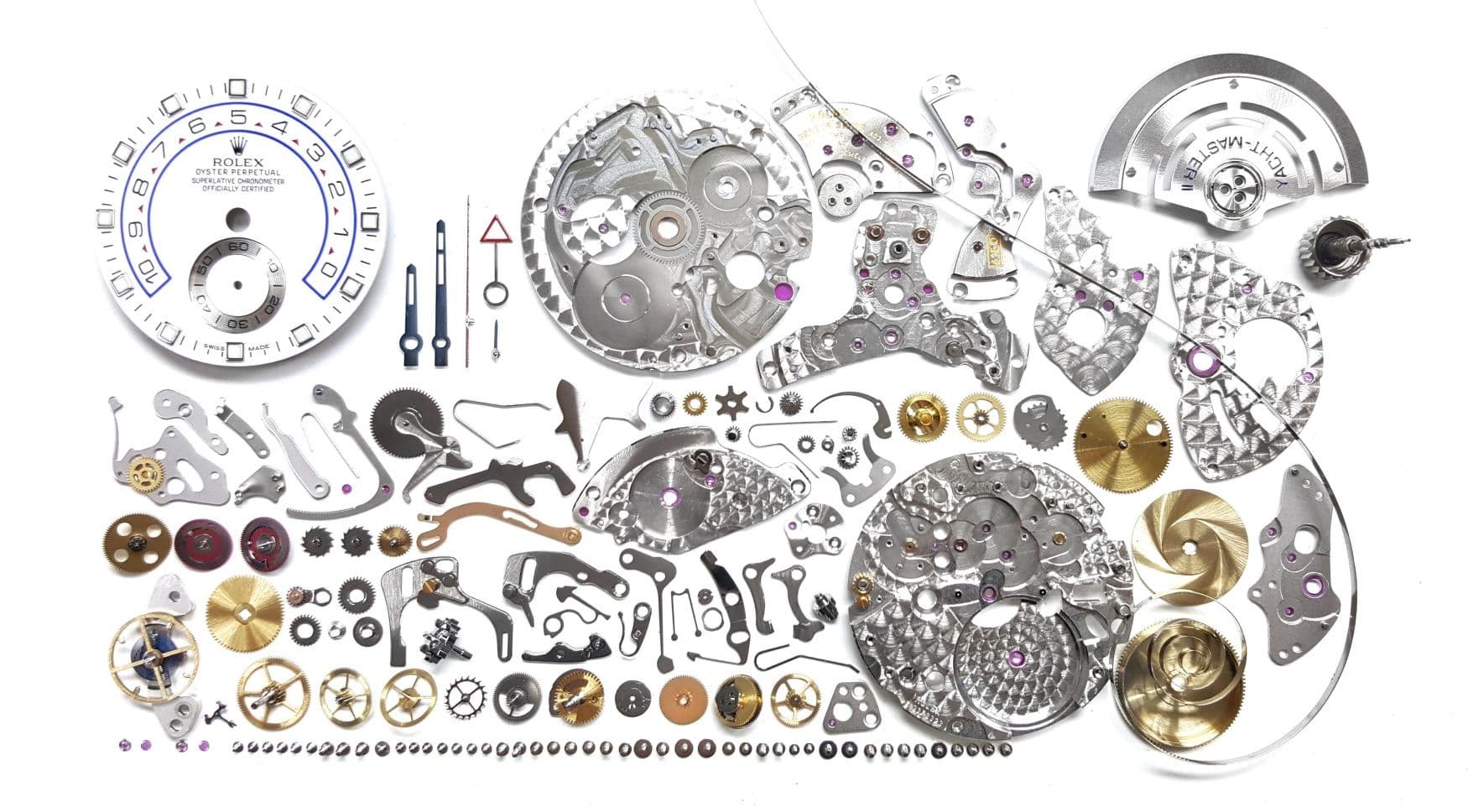
Automatic movements rely on a rotor that spins with the motion of the wrist, transferring energy to the mainspring. This innovation significantly changed the watch landscape, offering greater autonomy for users and reduced reliance on manual winding.
Iconic Mechanical Watches
Several iconic models exemplify the richness of the mechanical era. The Patek Philippe Calatrava, launched in 1932, is celebrated for its simplicity and elegance, embodying the brand's commitment to quality craftsmanship.
The Rolex Submariner, introduced in 1953, became a benchmark in diving watches, featuring a robust automatic movement and a timeless design revered by collectors and diving enthusiasts alike. With these models, mechanical movements established their place not only as time-tellers but also as symbols of prestige.
The Quartz Revolution
Introduction to Quartz Technology
The late 1960s heralded the Quartz Revolution, a seismic shift in watch technology brought about by the introduction of quartz movements. Developed in 1969 by Seiko, the Astron was the world's first quartz wristwatch, which utilized a battery and quartz crystal to achieve unparalleled accuracy.
Quartz technology replaced the traditional gears and springs with electronic oscillation, dramatically changing the dynamics of timekeeping.
Impact on the Watch Industry
The adoption of quartz movements had profound implications for the watch industry. Brands that relied heavily on traditional mechanical movements were caught off guard.
By the 1970s, the influx of affordable and precise quartz watches led to a decline in mechanical watch sales. This period is often referred to as the "Quartz Crisis," as numerous traditional watchmakers faced bankruptcy or were forced to adapt to the new reality.
Key Players and Models
During the Quartz Revolution, several key players emerged. Seiko's Astron paved the way, but other brands like Citizen and Casio quickly capitalized on the technology.
Casio’s G-Shock, introduced in 1983, combined durability with advanced functionalities, appealing to a younger generation. Priced affordably, it represented a shift towards purpose-driven timepieces instead of mere luxury items.
The Birth of Hybrid Movements
What are Hybrid Movements?
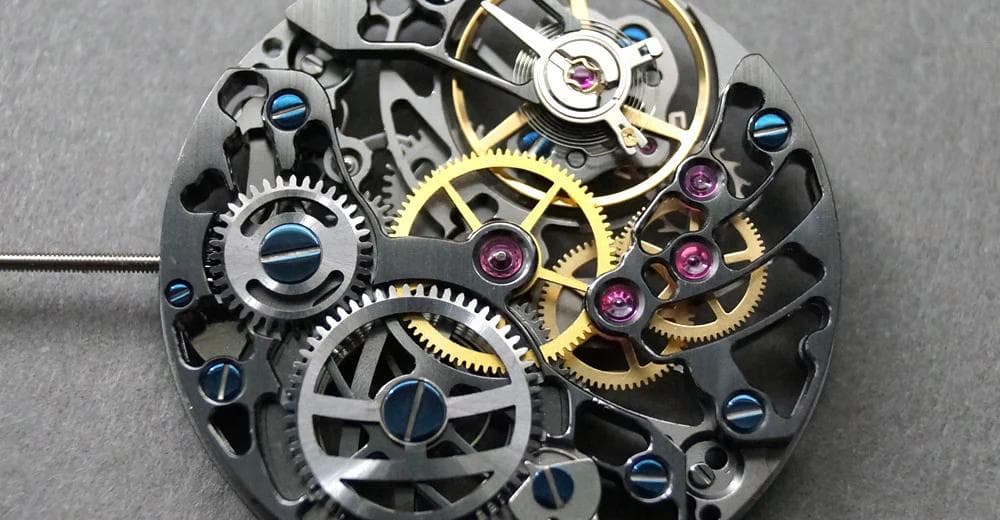
Hybrid movements merge the best of both worlds, fusing mechanical and quartz technologies into one cohesive system. These watch movements aim to provide the precision of quartz while retaining the charm and craftsmanship of traditional mechanical movements.
This approach allows watchmakers to create timepieces that are not only accurate but also embody the artistry and complex engineering that mechanical enthusiasts cherish.
Innovations in Design and Functionality
Hybrid movements have spurred innovations in design and functionality. Features such as solar charging and advanced power reserve indicators have become commonplace.
For example, the Seiko Spring Drive combines a mechanical escapement with an electronic regulator, resulting in a watch that boasts the precision of quartz with the soul of a mechanical movement.
Notable Examples of Hybrid Watches
Noteworthy examples of hybrid watches include the TAG Heuer Connected series, which offers smartwatch functions alongside a premium timepiece design, and the Citizen Eco-Drive, which uses light to power a quartz movement, eliminating the need for battery replacements.
These models appeal to a broad audience, effectively blending traditional watchmaking with modern technology.
The Rise of Smartwatches
Transition from Traditional to Digital
The 21st century has marked a distinct shift towards smartwatches, driven by the proliferation of technology in everyday life. These devices have eclipsed traditional watches in sales, signaling a changing landscape in how consumers define a watch's purpose.
Smartwatches function not just as timekeepers but as multifunctional devices that track health metrics, send notifications, and even operate as miniaturized computers on the wrist.
Key Features of Smartwatches
Smartwatches come equipped with an array of features designed for tech-savvy users. Key functionalities include:
- Heart rate monitoring
- Sleep tracking
- GPS navigation
- App integrations
- Voice control capabilities
These features cater to a lifestyle increasingly oriented towards connectivity and health awareness.
Leading Brands and Their Offerings
Several tech companies have emerged as leaders in the smartwatch category. Apple’s Apple Watch, first released in 2015, has transformed the way people interact with technology on their wrists, offering seamless integration with iPhone features.
Samsung’s Galaxy Watch series competes closely, providing a robust operating system and a range of health monitoring tools.
Current Trends in Watch Movements
The Resurgence of Mechanical Watches
Despite the rise of smartwatches, there is a noticeable resurgence of interest in mechanical watches, fueled by collectors and enthusiasts who appreciate the artistry and craftsmanship involved.
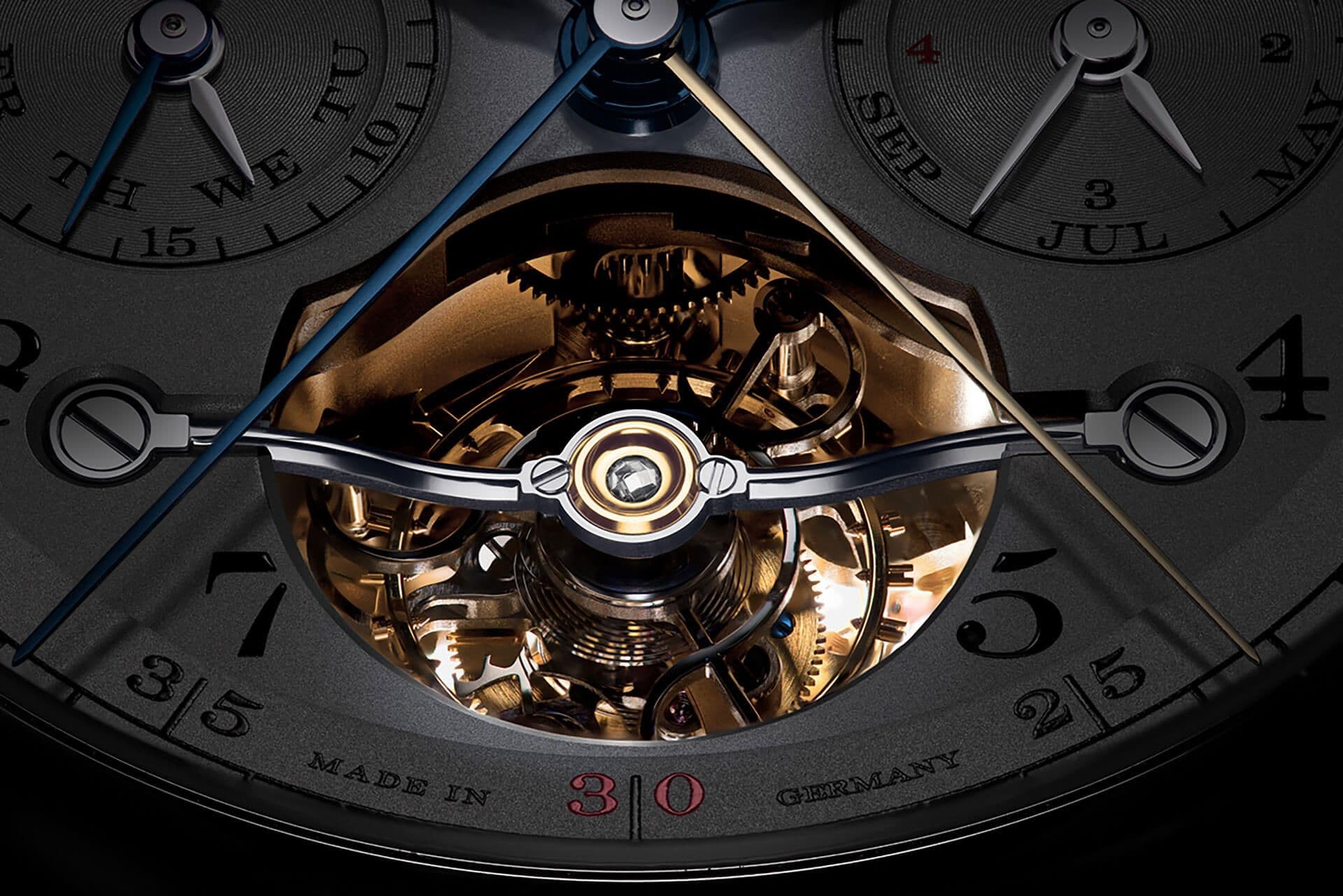
Modern mechanical watches often feature intricate complications such as tourbillons or perpetual calendars, catering to a discerning audience that values tradition.
Integration of Technology and Craftsmanship
Today’s manufacturers are increasingly integrating technology with traditional craftsmanship. Brands are employing advanced materials and innovative designs while still adhering to classic watchmaking techniques.
Notable is the approach taken by brands like Audemars Piguet, which combines high-quality mechanical movements with modern aesthetics. The Royal Oak Offshore series offers limited editions that showcase this blend with bold designs.
Sustainability and Eco-Friendly Innovations
As consumer preferences shift towards environmentally conscious products, the watch industry is embracing sustainability. Many brands are developing eco-friendly movements, using recycled materials and sustainable manufacturing practices.
Brands like Swatch are leading the charge with their Bioceramic models, which incorporate both recycled plastics and bio-sourced materials, appealing to a generation that prioritizes sustainability.
Future of Watch Movements
Predictions for Future Technologies
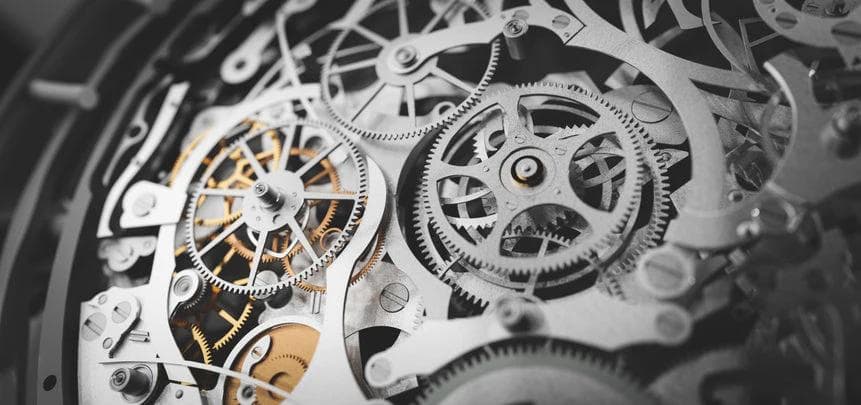
Looking ahead, the watch industry is poised for further innovation. Expect advancements in materials science, with ceramics and smart textiles becoming more mainstream in watch designs. Additionally, we may see even greater miniaturization of technology, allowing for more features packed into smaller designs.
The Role of AI and Connectivity
Artificial intelligence and enhanced connectivity will likely play significant roles in the evolution of watches. Future smartwatches may integrate AI algorithms to better understand user habits, predict needs, or improve health monitoring accuracy.
Moreover, the concept of connected ecosystems could provide users with a seamless experience across multiple devices, from smartphones and tablets to smart home appliances.
Potential Challenges for Traditional Watchmaking
As the industry evolves, traditional watchmakers will face challenges. Balancing the heritage of mechanical craftsmanship with the demands of a tech-savvy market will require innovation without losing the essence of what makes mechanical watches special.
Brands must also navigate the potential loss of consumer interest if smartwatches continue to dominate. Finding a unique niche while appealing to both traditional and modern watch enthusiasts will be crucial.
Conclusion
Recap of the Journey Through Watch Movements
Tracing the journey of watch movements reveals a rich tapestry of innovation, adaptation, and evolution. From the intricacies of early mechanical movements to the precision of quartz technology, and now the rise of hybrid and smart devices, the watch industry continues to reinvent itself.
Final Thoughts on the Future Landscape of Watches
As we look toward the future, the watch industry stands at a crossroads, marrying respect for tradition with the relentless march of technology. This synthesis of innovation and artistry will define the future landscape of watches, ensuring that, whether mechanical, hybrid, or smart, each timepiece tells a story while embracing tomorrow's possibilities.
Share this piece
Send it to another watch nerd.
Keep reading
Related articles
About the author