June 6, 2026
Timex's New Atelier Chronographs Feel Like Its Most Credible Upmarket Move in Years
Timex's new Atelier chronographs matter because they stretch the same design language from a $700 quartz model to a $2,100 titanium automatic without making either version feel like a compromise.

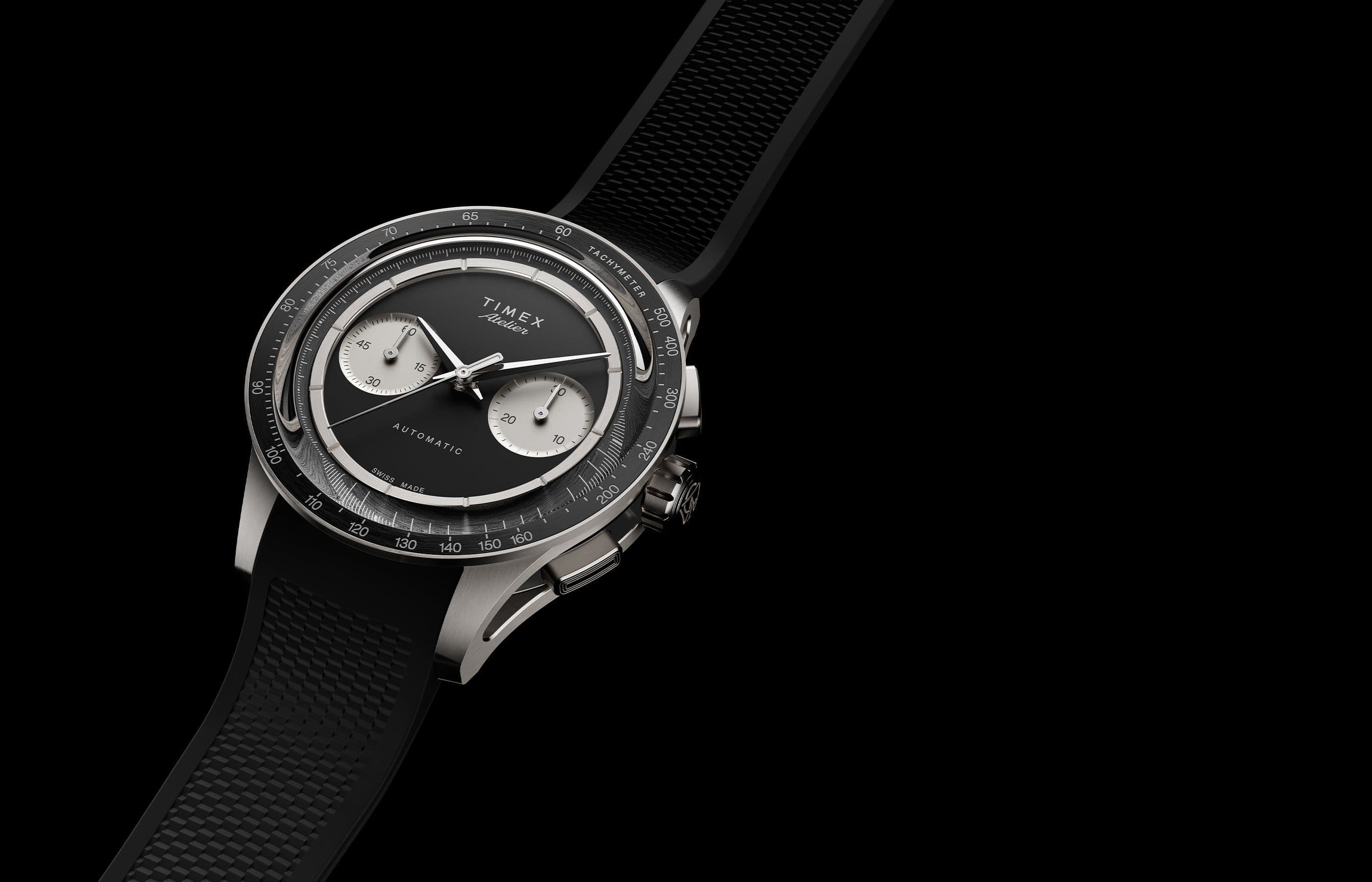
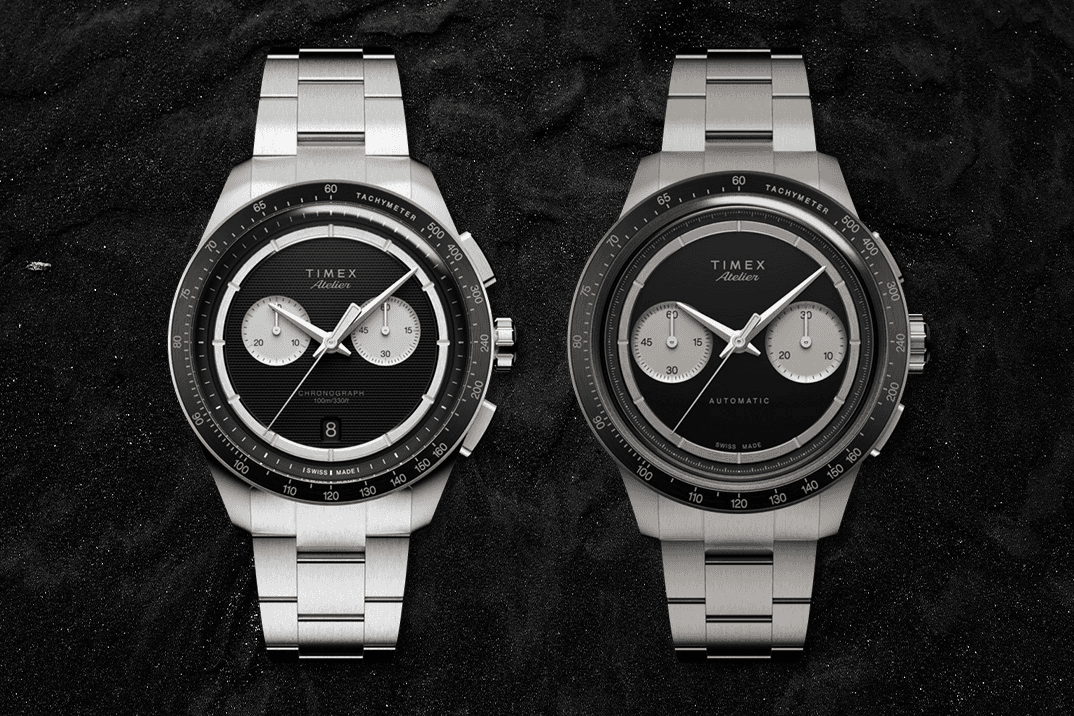
Timex usually wins by making familiar watch categories approachable, not by asking enthusiasts to follow it too far upmarket. That is why the Atelier chronograph launch on June 4, 2026 feels more important than a normal line extension. Instead of dropping one expensive halo piece and hoping novelty does the rest, Timex introduced two chronographs that share the same visual logic while serving very different buyers: the 42mm Atelier Chronograph Automatic M1a Ti and the 40mm Atelier Chronograph Quartz M1q.
Why this release matters
The real story is not simply that Timex now has a $2,100 Swiss automatic chronograph in titanium. It is that the brand paired that watch with a $700 Swiss quartz version and made both part of the same argument. That is a more serious move than it sounds. Most brands split their affordable and aspirational products so aggressively that the cheaper watch feels like a teaser and the expensive one feels like costume jewelry for enthusiasts. Timex is trying something harder here.
By keeping the Atelier design language intact across both watches, Timex is testing whether proportion, material discipline, and case architecture can carry more weight than logo prestige alone. If that works, the brand does not just sell two new chronographs. It proves it can build a premium ladder without losing its identity at the base.
The automatic finally gives the Atelier line a real statement piece
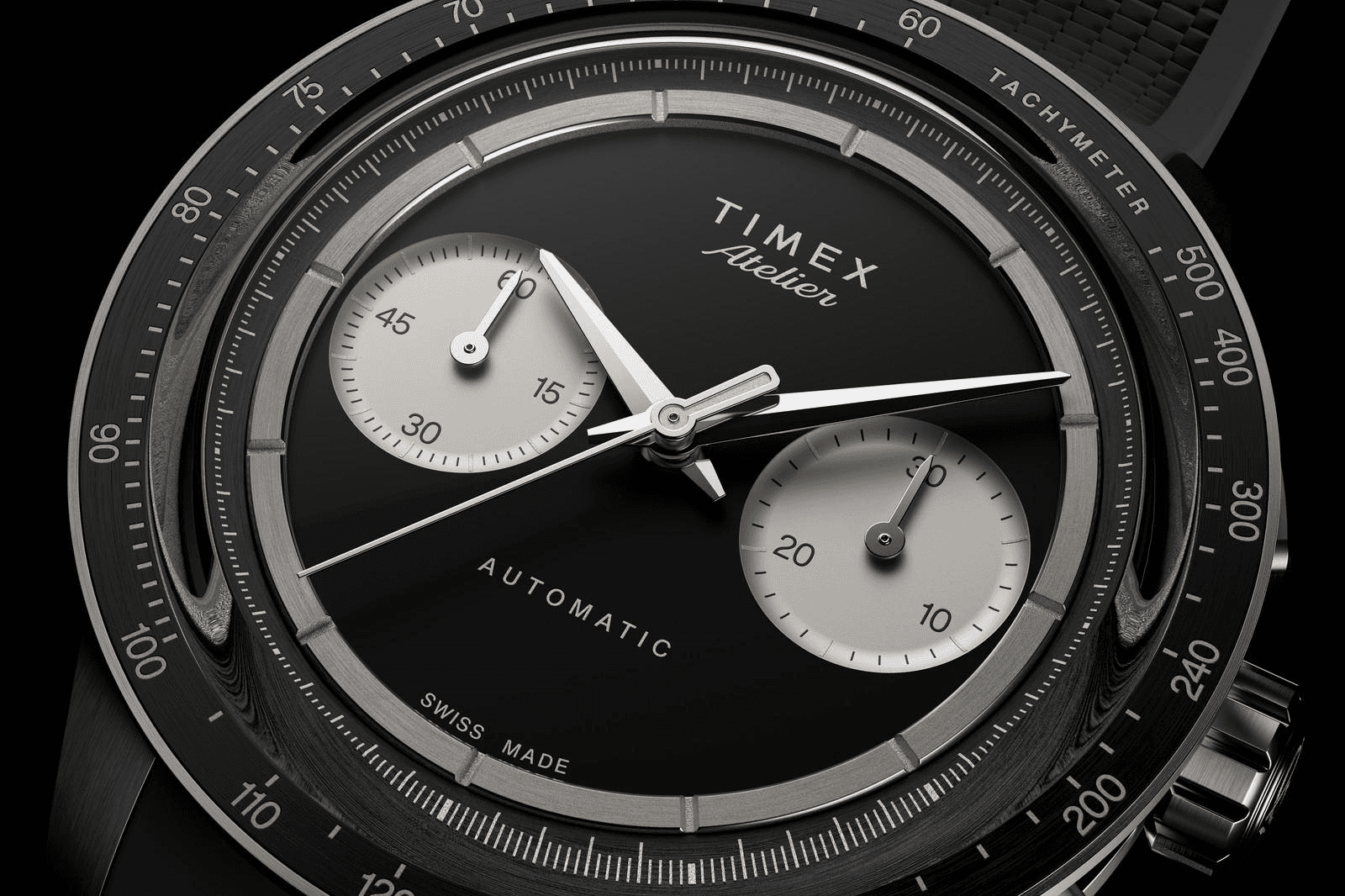
The stronger headline watch is the Chronograph Automatic M1a Ti. On paper, it reads like a serious attempt to enter a category Timex normally watches from the sidelines: a 42mm titanium case, skeletonized architecture, matte black dial, Swiss automatic chronograph movement, and a price of $2,100 on rubber or $2,250 on bracelet. Those are not nostalgic Timex numbers. They are competitive enthusiast-watch numbers.
What makes the watch convincing is that Timex did not lean on faux-vintage tricks to justify the jump. The case is modern, the palette is restrained, and the watch is more architectural than sentimental. The brand is not pretending to be a reissued classic. It is trying to show that design clarity can support a higher price if the materials and execution keep up.
The quartz version is what makes the whole launch smarter
The more revealing watch may actually be the Chronograph Quartz M1q. At 40mm in stainless steel with 100 meters of water resistance and a guilloche dial, it keeps the Atelier idea within reach at $700 on rubber or $800 on bracelet. That matters because it prevents the launch from becoming a one-off flex.
Too many premium sub-lines collapse because the accessible model feels like the stripped-down apology for the expensive one. The M1q does not read that way. It reads like Timex understood that value is not only about price. It is also about making the cheaper watch feel intentional. If the automatic is the proof of ambition, the quartz is the proof of discipline.
What Timex is really testing
This launch is ultimately about brand stretch. Timex has always had reach, but reach and credibility are not the same thing. The Atelier chronographs suggest the company thinks it can win credibility by giving buyers two entry points into the same design worldview instead of using one product to flatter and another to subsidize.
That is the right bet in 2026. Buyers are more comfortable moving across price bands than brands often assume, but they still want internal logic. They want to see why a watch costs what it costs. The Atelier pair gives a believable answer: different movements, different materials, different finishing priorities, same underlying design discipline.
The Watchlopedia take
The most impressive part of this drop is that it does not feel like Timex cosplaying as a luxury house. It feels like Timex carefully expanding the limits of what its own name can support. The Atelier chronographs work because the brand did not confuse being more expensive with being more interesting.
That is why this is one of the cleaner watch stories of the week. Timex is not asking collectors to forget what the brand is. It is asking whether a brand known for access can also earn aspiration when the product is resolved enough. For once, the answer looks closer to yes than maybe.
Share this piece
Send it to another watch nerd.
Keep reading
Related articles
June 12, 2026
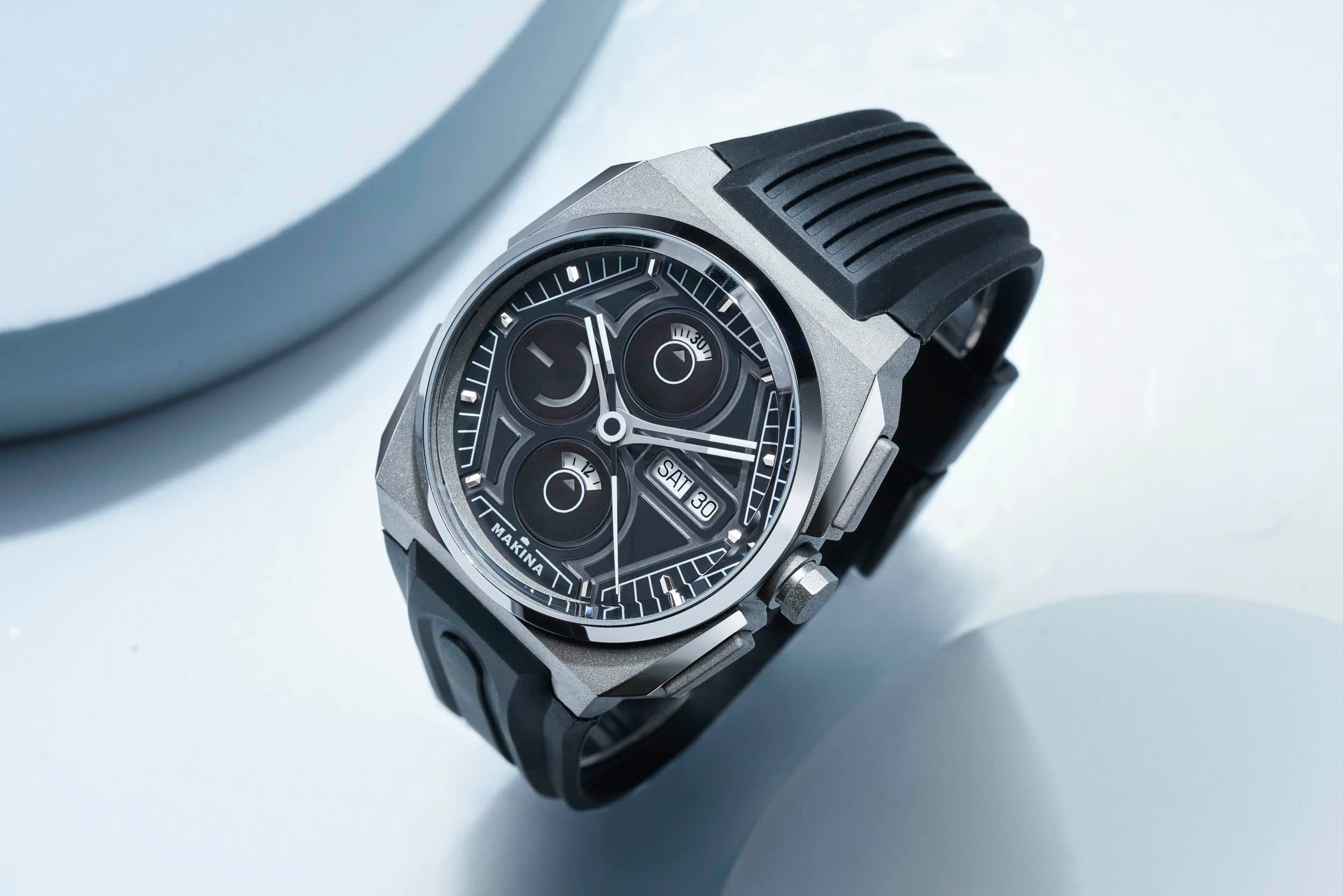
Makina's Cassiel II Shows a Brutalist Chronograph Can Feel Deliberate Instead of Costume-Like
June 12, 2026
Longines' Master Collection Finally Feels Like a Complete Dress-Watch Platform Instead of a Single Safe Compromise
June 11, 2026
Blancpain's New Fifty Fathoms Tech Makes a Specialist Diver Easier to Defend
About the author