March 18, 2026
The Rising Popularity of Vintage Watches: Essential Insights
Discover the surge in vintage watch popularity, from craftsmanship to individuality, and why these timepieces are capturing hearts globally.

Introduction to Vintage Watches
In recent years, vintage watches have captured the attention of collectors, enthusiasts, and casual buyers alike. This resurgence of interest in timepieces from yesteryear can be attributed to a broader appreciation for craftsmanship and history, alongside a desire for individuality in a world of fast fashion and mass production. Vintage watches are more than just functional tools; they represent a confluence of art, technology, and personal stories that connect us to the past.
The Resurgence of Vintage Watch Collections
The trend of collecting vintage watches is not merely a passing fad but rather a growing movement that has roots in various cultural shifts. The rise of social media platforms, particularly Instagram, has played a significant role in this phenomenon, facilitating connections among collectors and fostering communities around brands and models that were once obscure.
This revival is also fueled by auctions, both live and online, where iconic models fetch staggering prices, further validating the investment potential of vintage timepieces. For instance, in 2020, a rare Patek Philippe Reference 1518 sold for a record-breaking $11 million at a Phillips auction, catching the eye of both seasoned collectors and newcomers to the scene.
Reasons Behind the Trend
Several factors have contributed to the increasing popularity of vintage watches:
- Timeless Aesthetics: The design language of vintage watches often evokes a sense of nostalgia that resonates with many. Classic pieces, such as the Rolex Submariner 5513 from the 1960s, or the Omega Speedmaster Professional, known for being the "Moonwatch," highlight the beauty found in simplicity and functionality.
- Unique Craftsmanship: Vintage watches often showcase superior mechanical skills and artistry that are becoming rare in today's production processes. Brands like Jaeger-LeCoultre and Audemars Piguet produced exceptional timepieces, such as the Audemars Piguet Royal Oak 5402ST, which remain coveted due to their intricate movements and designs.
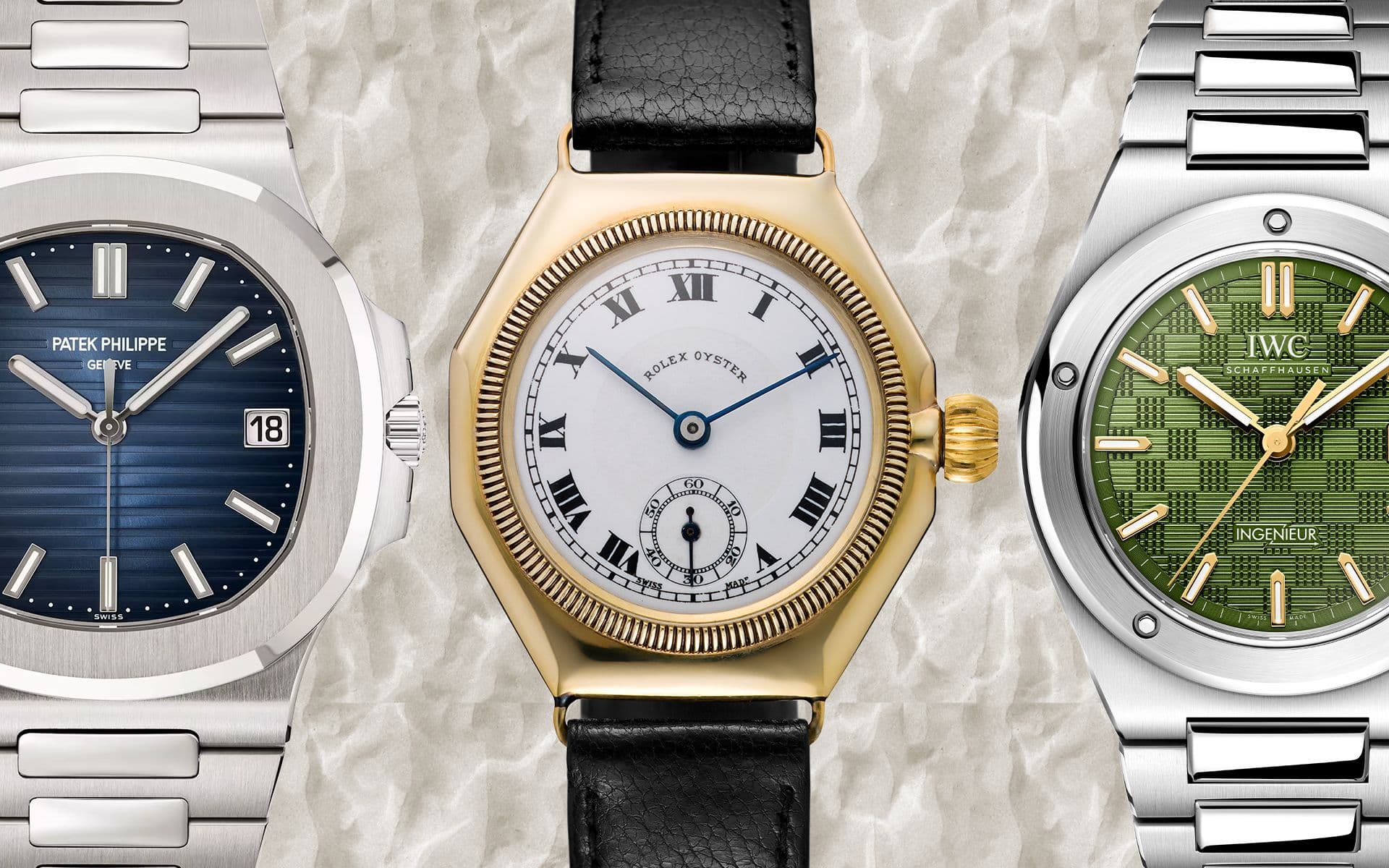
- Investment Potential: Many collectors view vintage watches as viable investment vehicles. Rare models often appreciate over time, making them an attractive option for both collectors and investors.
Key Characteristics of Vintage Watches
When we talk about vintage watches, certain defining characteristics set them apart from modern timepieces:
- Age: A watch is typically considered vintage if it is at least 20 years old, although some enthusiasts argue that the term should encompass pieces that predate the 1980s.
- Mechanical Movements: Vintage watches often utilize mechanical, either manual or automatic, movements.
- Limited Editions: Many sought after vintage pieces were produced in limited quantities, making them rarer and more valuable.
- Patina: Aged dials and cases can develop unique patinas, adding charm and individuality to these timepieces.
Identifying Vintage Watches
Identifying vintage watches requires an understanding of certain specifications and characteristics that distinguish them from their modern counterparts.
Understanding Watch Specifications
Key specifications include:
- Case Size: Vintage watches tend to have smaller case sizes, usually between 34mm to 40mm for men’s watches. The rise of oversized watches in the 2000s has made vintage watches stand out with their more restrained dimensions.
- Lume: Vintage watch dials often feature radium or tritium lume that has aged. This can change the hue of the hour markers, providing unique character.
- Brand Logos and Fonts: Each brand has its own logo evolution, and observing these details can provide insight into authenticity and age.
Key Brands and Models to Look For
When starting your journey into vintage watch collecting, consider the following prominent brands and iconic models:
- Rolex: Models like the Rolex Daytona, especially the "Paul Newman" reference, and the Submariner (particularly the models from the 1950s and 1960s) are highly sought after.
- Omega: The Omega Speedmaster and Seamaster, particularly limited editions, offer great potential as collectible pieces.
- Heuer: Vintage Heuer chronographs, such as the Carrera and Monaco models, showcase the brand’s rich motorsport heritage.
- Longines: With a history dating back over a century, Longines offers several collectible models, including the Longines Legend Diver and Conquest models.
Valuing Vintage Watches
Determining the value of a vintage watch involves evaluating various factors that contribute to its desirability.
Factors Influencing Value
- Condition: The physical condition of the watch significantly impacts its value. Watches in original condition with minimal wear and tear are typically more valuable.
- Provenance: Documentation such as original papers, tags, or the watch’s history of ownership can enhance its value.
- Rarity: Limited production runs or factory modifications can drastically increase a watch’s market value.
- Market Trends: Similar to other collectibles, vintage watch prices fluctuate with market demand. Keeping an eye on auction results and collector forums can guide you.
How to Appraise a Vintage Watch
Appraising a vintage watch can be complex, but following a systematic approach helps:
1. Research: Investigate the brand, model, and production year, consulting reputable sources to establish a baseline value.
2. Inspection: Be thorough in examining the condition of the watch. Consider hiring a professional appraiser if you are unsure.
3. Market Comparison: Compare with sale prices at auctions or online to reassess the appropriate value.
4. Documentation: Cataloging all relevant documents, including service records and authenticity papers, aids in establishing value.
Caring for Vintage Watches
Proper care and maintenance are crucial in preserving the beauty and functionality of vintage watches.
Maintenance Tips
- Regular Servicing: It’s advisable to have vintage watches serviced by professionals every three to five years to keep them running smoothly.
- Avoid Exposure: Extreme temperatures, magnetic fields, and moisture can damage the delicate mechanics of vintage watches, so care should be taken to avoid exposure.
- Storage: Store watches in a dry, dark place, preferably in individual pouches or boxes to prevent scratches.
Common Issues to Watch Out For
Watch collectors should be aware of potential issues with vintage watches:
- Wristband Wear: Leather straps can dry out or deteriorate, necessitating replacement.
- Moisture Intrusion: If a watch has not been maintained properly or its seals are deteriorated, water can enter and cause major damage.
- Movement Issues: Vintage mechanical movements can require more maintenance and should be regularly examined to ensure proper functionality.
Starting Your Vintage Watch Collection
If you are considering diving into the world of vintage watches, there are some essential steps and considerations to keep in mind.
Where to Buy Vintage Watches
- Authorized Dealers: Established dealers often offer warranties and sometimes include papers for authenticity.
- Auctions: Renowned auction houses like Sotheby’s and Christie’s hold vintage watch auctions, often featuring curated and authenticated pieces.
- Online Marketplaces: Websites like Chrono24 and eBay are excellent resources, provided you exercise caution and verify the seller's credibility.
- Watch Shows and Fairs: Attending events like Baselworld can introduce you to reputable sellers and fellow collectors.
Tips for New Collectors
- Start Small: Begin with less expensive models or brands to learn the nuances of vintage watches before investing large sums.
- Educate Yourself: Knowledge is power; familiarize yourself with various brands, styles, and historical context.
- Join Communities: Engaging with collector groups or forums can yield valuable insights and connections.
Conclusion
The vintage watch market reflects a complex interplay of craftsmanship, history, and passion. As interest continues to soar, knowing how to navigate this dynamic landscape can provide both enjoyment and financial return for collectors.
Final Thoughts on the Vintage Watch Market
The charm of vintage watches lies in their stories and the enduring appeal of classic design. As the market grows, opportunities arise for both seasoned collectors and newcomers eager to explore the captivating world of horology. By understanding the intricacies of valuing, caring for, and identifying vintage timepieces, watch enthusiasts can foster a meaningful collection and appreciate the art that each watch encapsulates.
Share this piece
Send it to another watch nerd.
Keep reading
Related articles
June 12, 2026
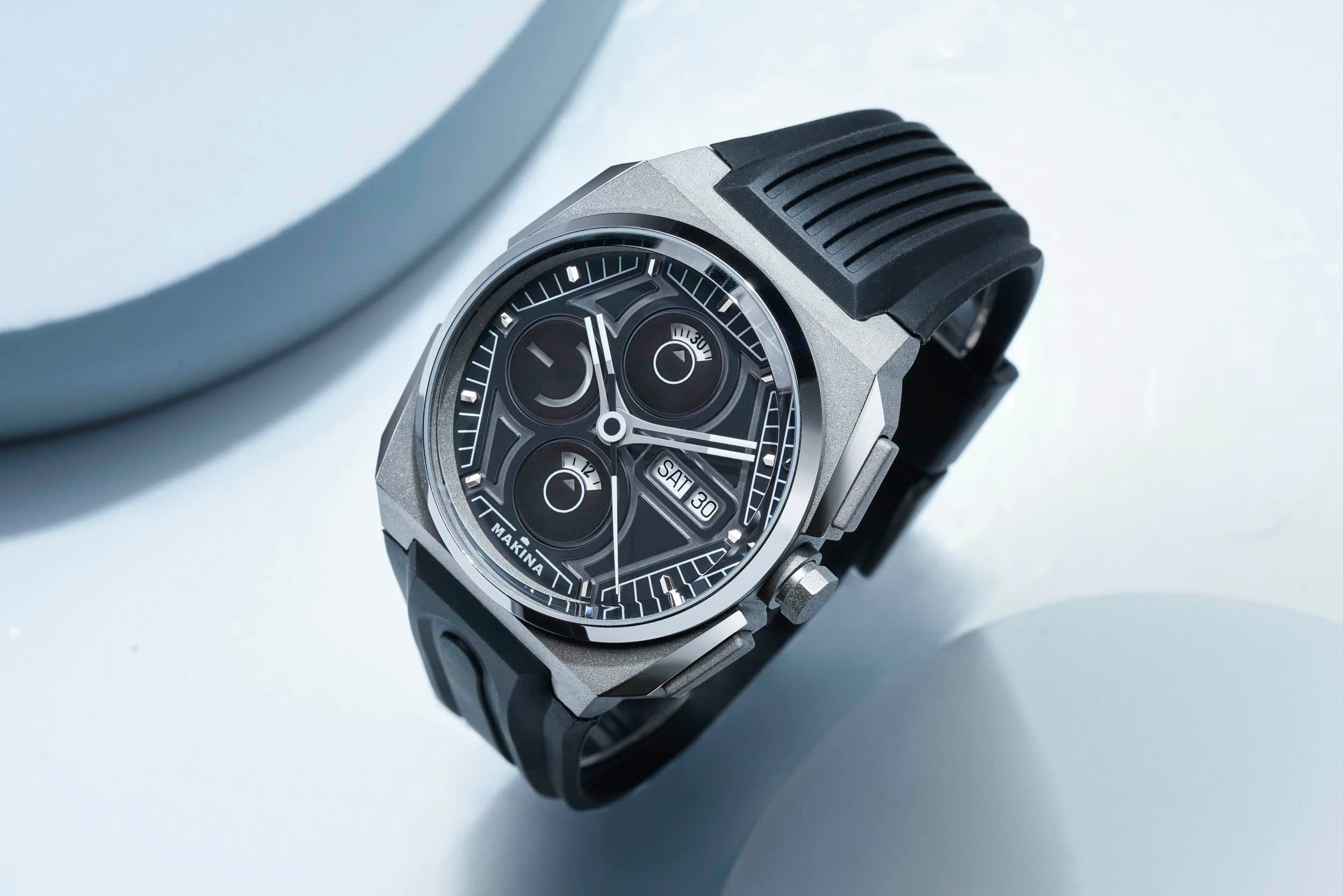
Makina's Cassiel II Shows a Brutalist Chronograph Can Feel Deliberate Instead of Costume-Like
June 12, 2026
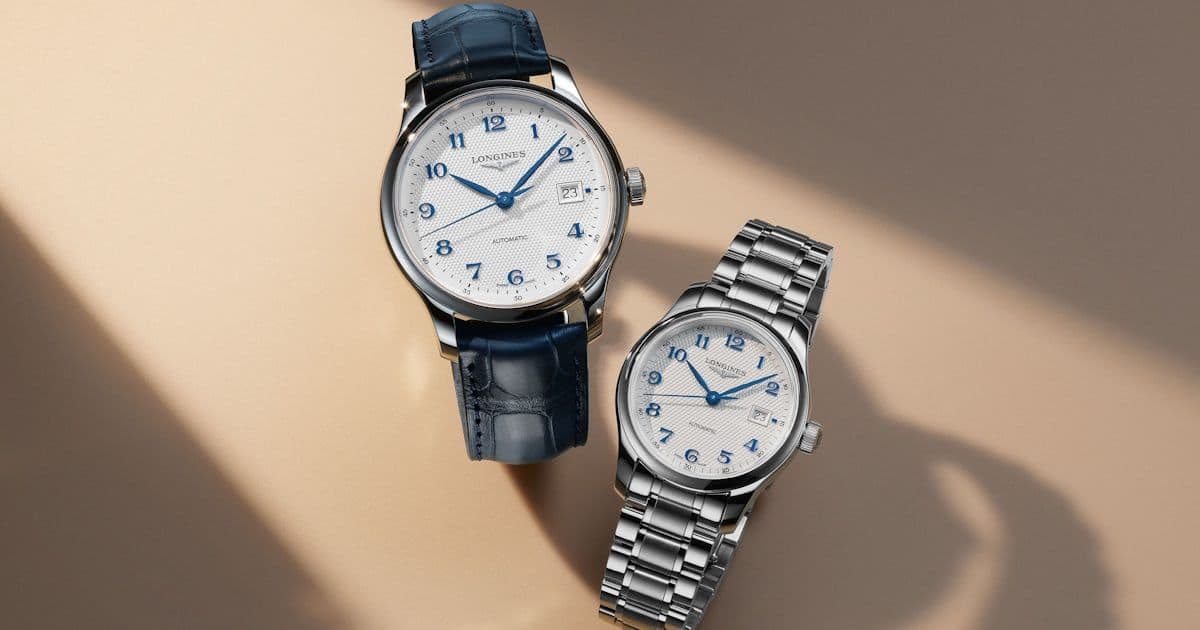
Longines' Master Collection Finally Feels Like a Complete Dress-Watch Platform Instead of a Single Safe Compromise
June 11, 2026
Blancpain's New Fifty Fathoms Tech Makes a Specialist Diver Easier to Defend
About the author