August 25, 2026
Exploring Inverted Movements in Watches 2026
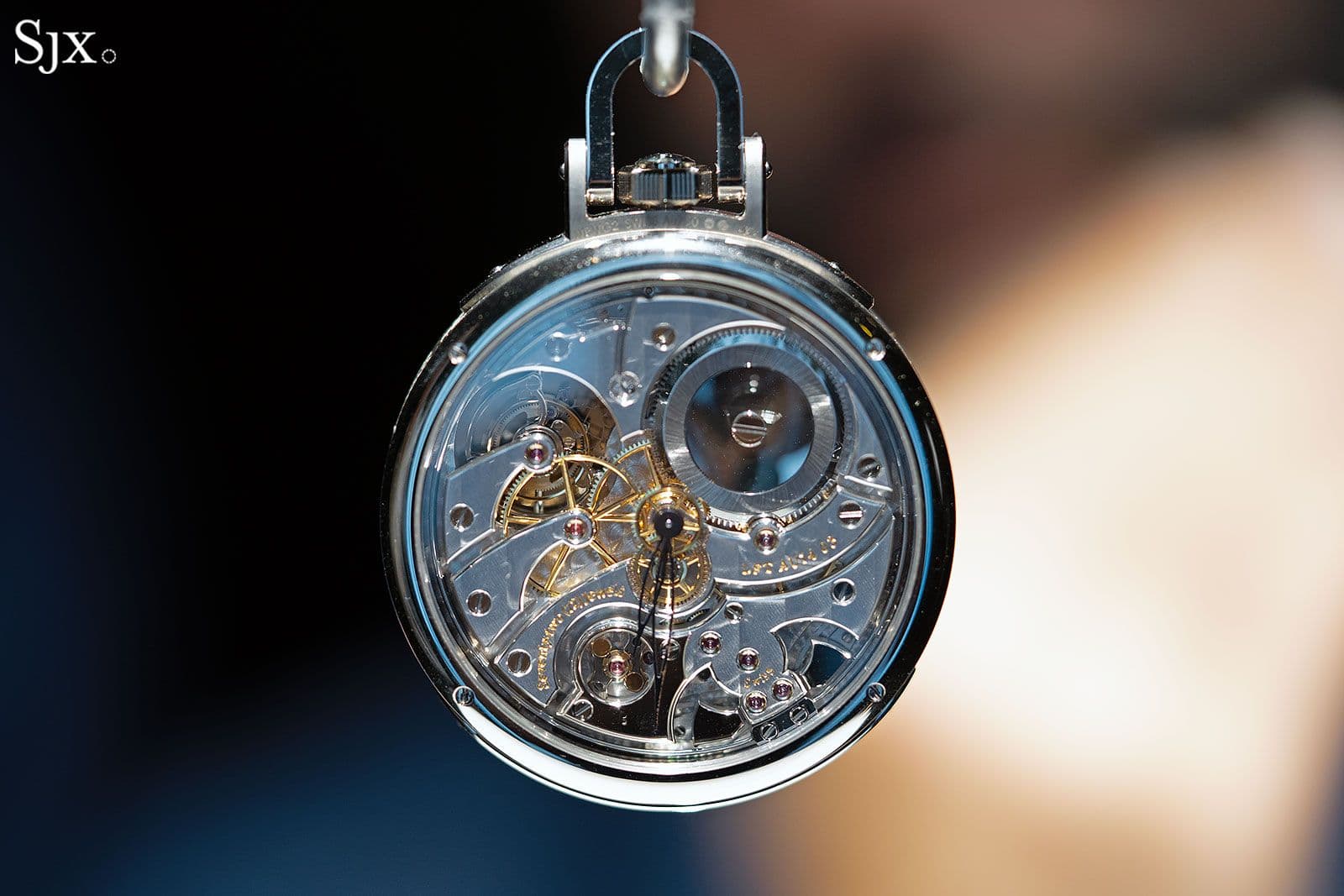
Inverted movements are becoming increasingly popular in watches, exposing key components and emphasizing mechanical beauty.

Photo: SJX Watches
The Rise of Inverted Movements in Watches
The year 2026 appears to be a defining moment for watch enthusiasts, particularly with the rising trend of inverted movements. As traditional designs give way to innovative types, the allure of exposed mechanics captivates both collectors and casual wearers alike. In this article, we delve into what inverted movements are, their appeal in the world of horology, and the implications of this new trend.
Understanding Inverted Movements
An inverted movement refers to a watch mechanism that has been reversed inside the case. This design exposes significant components such as the barrel, gear train, and escapement while often minimizing or eliminating the dial display altogether. This unconventional layout not only enhances the visual appeal but also invites the wearer to appreciate the intricate details of the movement itself.
Popularity Driven by Aesthetics and Engagement
The surge in popularity of inverted movements can be attributed to several factors. First and foremost, the contemporary focus on movement finishing has gained traction. Having a beautifully crafted movement visible on the wrist offers an impressive aesthetic and mechanical showcase.
Social media platforms, particularly Instagram, have played a crucial role in this trend. As collectors and brands share images of these stunning movements, they entice a new generation of watch enthusiasts. Inverted movements provide a unique storytelling element in a visual format, making them highly shareable content.
Additionally, the trend encourages watchmakers to push creative boundaries, resulting in innovative designs that spark conversations within the community.
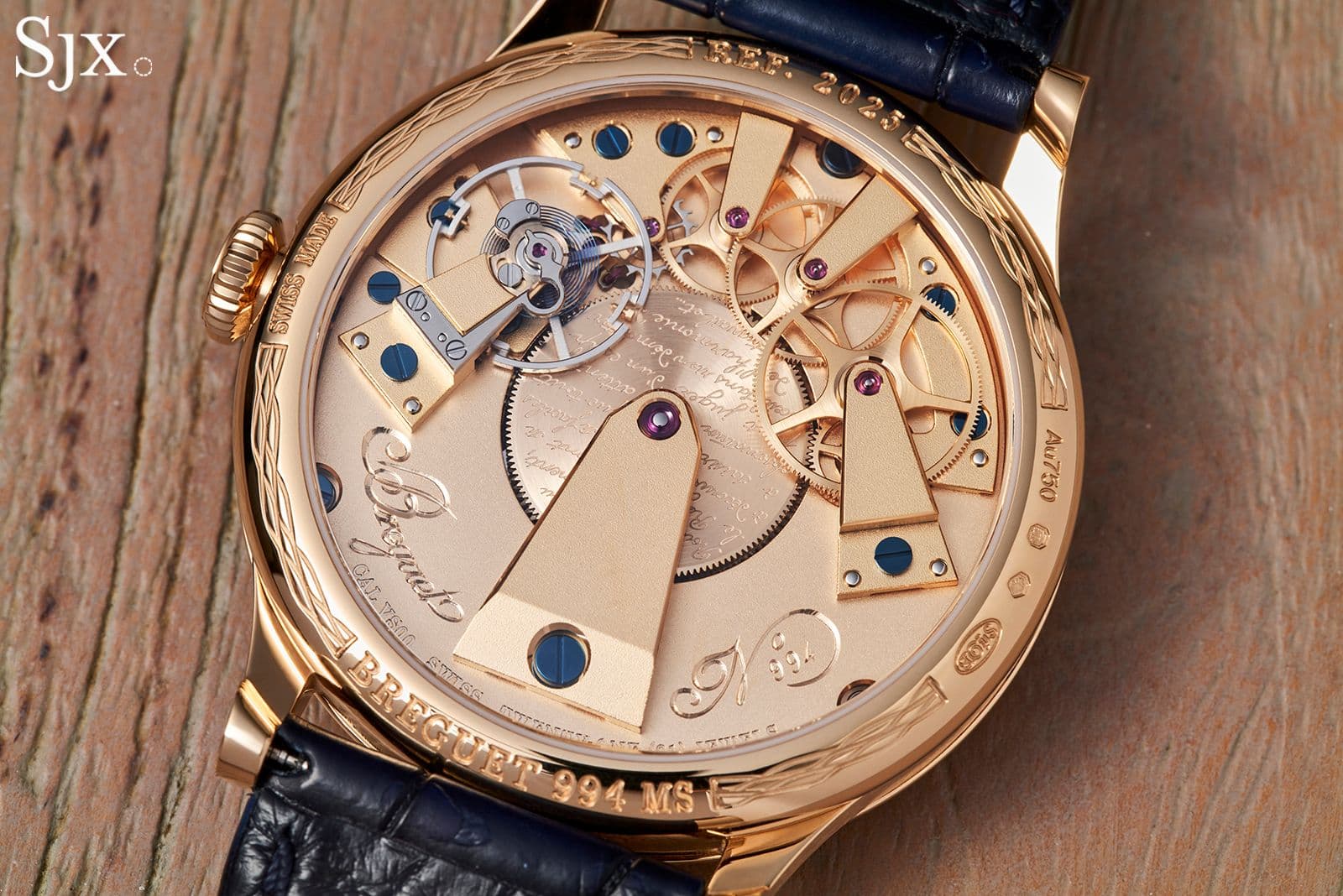
Photo: SJX Watches
Cost-Effective Design Strategy
From a watchmaker's perspective, designing inverted movements can be a cost-effective approach. Many brands leverage existing, proven calibres as the foundation for these designs, rather than developing entirely new mechanisms. This method allows brands to introduce fresh aesthetics while maintaining the reliability of established movements, appealing to both collectors eager for new features and manufacturers looking to reduce costs.
The Mechanism Behind Simplicity
Interestingly, most inverted movements are relatively simple, often functioning as time-only calibres. This simplicity arises because complications, which traditionally occupy space between the movement and the dial, are less compatible with inverted layouts. Therefore, many brands opt for designs that focus on the basic timekeeping function, placing less emphasis on complex features.
This trend towards time-only designs simplifies not only production but also consumer choice, stepping away from overwhelming options tied to more complicated movements.
Conclusion
With 2026 marking a year of exciting releases featuring inverted movements, enthusiasts can look forward to an engaging horizon in the world of horology. The trend showcases the beautiful juxtaposition between timeless craftsmanship and contemporary design innovation. The growing appeal of inverted movements highlights a shift in focus towards the artistry of watch movements, making it an exciting time for both collectors and watchmakers alike.
For those who appreciate the fusion of mechanical beauty and modern tendencies, staying updated on this trend is essential.
Sources
- Why Is Everything Inverted? — SJX Watches
Share this piece
Send it to another watch nerd.
Keep reading
Related articles

About the author